25 Eylül 2026
az bulutlu


Flash flood devastates Trishuli hydropower tunnels, killing hundreds; emergency teams race to rescue survivors and assess catastrophic damage.
A sudden torrent from the Trishuli River overwhelmed hydropower tunnel sites, trapping workers and causing a death toll exceeding 1,000 with about 4,000 reported missing, officials and survivors said. Survivors described a powerful gust and rapidly advancing water that forced teams to flee tunnel entrances while rescue operations and debris-clearing continued.
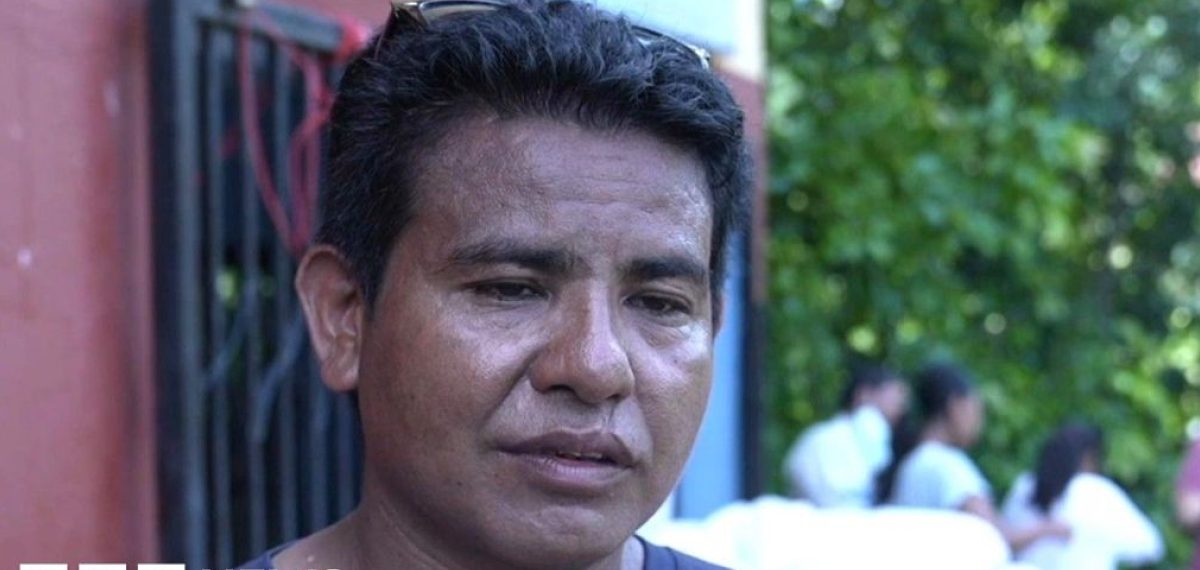
Survivors from the Upper Trishuli 3B Hydropower Project said crews were working on tunnel lining when the flood struck. One worker, Pemba Dundu Tamang, said his team of about 30 escaped after running uphill, but he lost six relatives who had been at their riverside home. Another worker, Itha Ghale, reported eight family members dead while his immediate family survived.
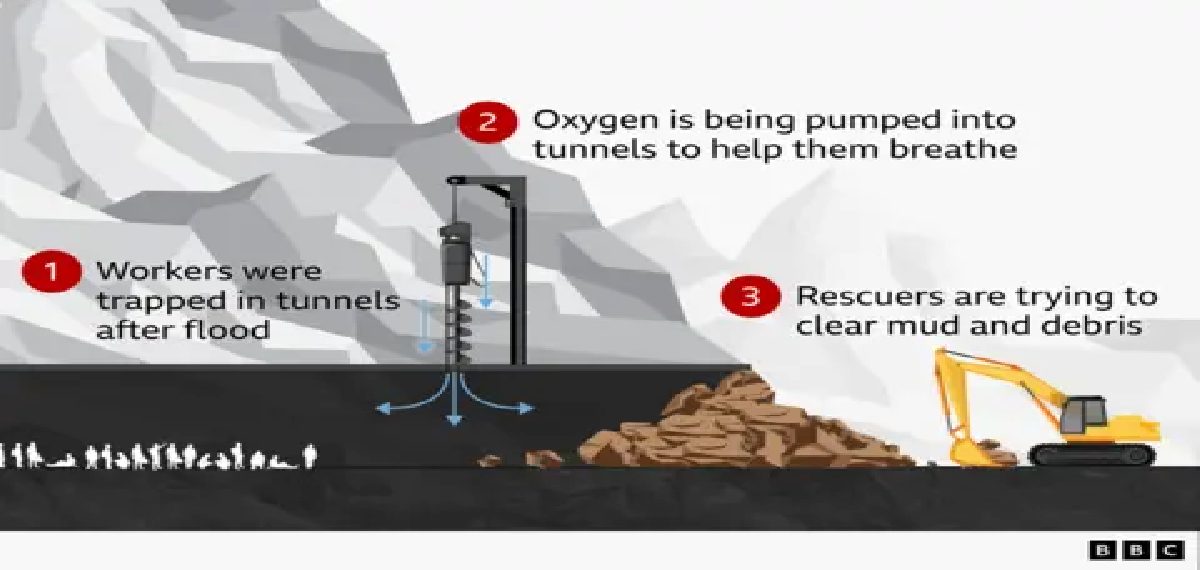
Nepal Army spokesman Raja Ram Basnet said soldiers are focused on search-and-rescue, recovering bodies and preventing disease. Engineers have been pumping air into tunnels as part of the rescue effort, and heavy machinery has been used to blast through debris at several hydropower sites where people remain trapped.
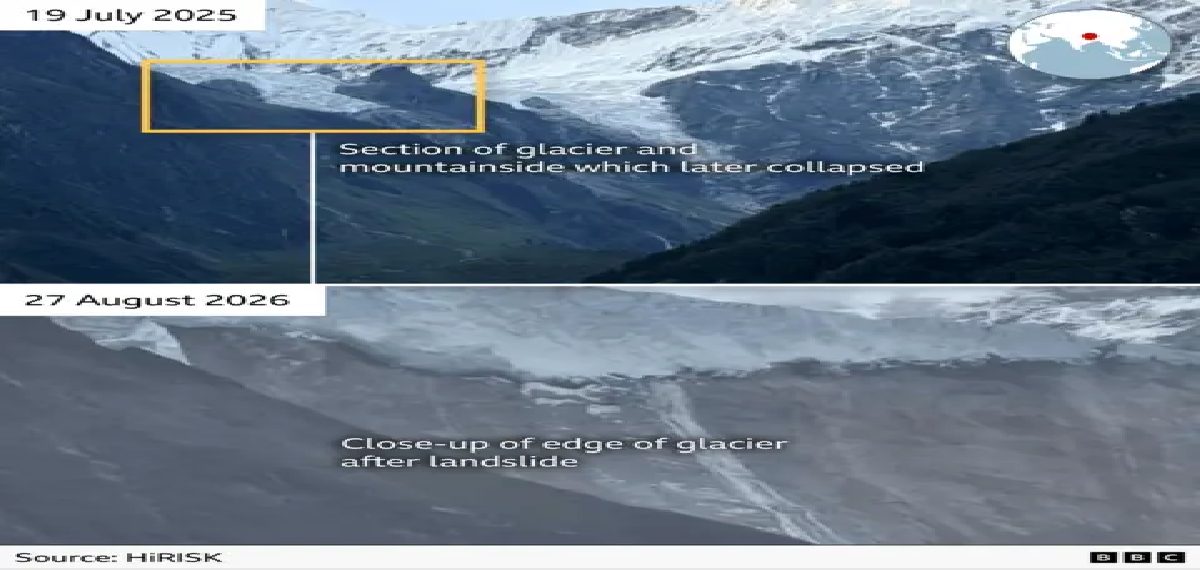
Experts from the Asian Mountain Academic Alliance, the Stimson Centre and China’s Institute of Mountain Hazards and Environment reported satellite evidence of increased glacier and mountainside instability in the days before the disaster. They cited faster glacier surface movement, discolored meltwater and a developing rock crack as signs of instability, and noted that while the avalanche moved too quickly for warnings near the source, downstream areas might have had time to respond with comprehensive warning systems.
The available accounts describe a rapid glacier-origin flood that inundated hydropower construction sites along the Trishuli River, producing heavy casualties among nearby communities and labourers. Official rescue operations include tunnel ventilation, debris removal with heavy machinery, and army-led recovery efforts. Satellite analyses cited by experts indicate prior signs of glacier and mountainside instability, and the avalanche’s speed limited the effectiveness of immediate warnings for those closest to the event.
Survivors emphasised the human toll, reporting multiple family losses and the trauma of displacement. Workers described that teams operating tunnel-lining equipment were among those who escaped, while others remain unaccounted for at several project sites.


Kaynak: BBC