20 Ekim 2026
parçalı bulutlu


EU Security Council proposes faster, coordinated measures to counter hybrid threats, enhancing collective response and resilience across member states.
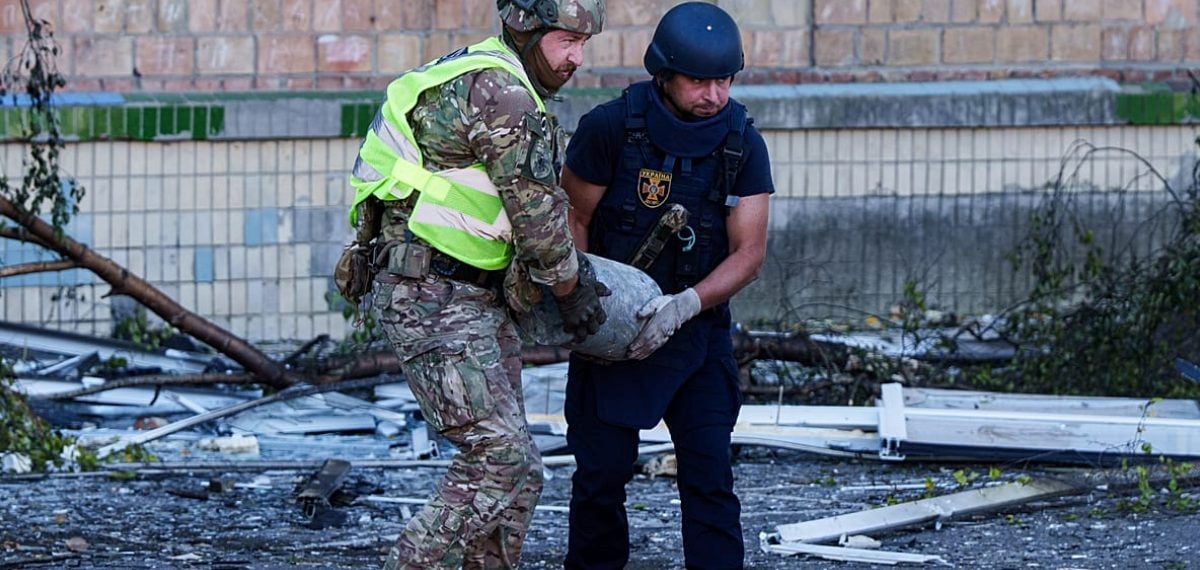
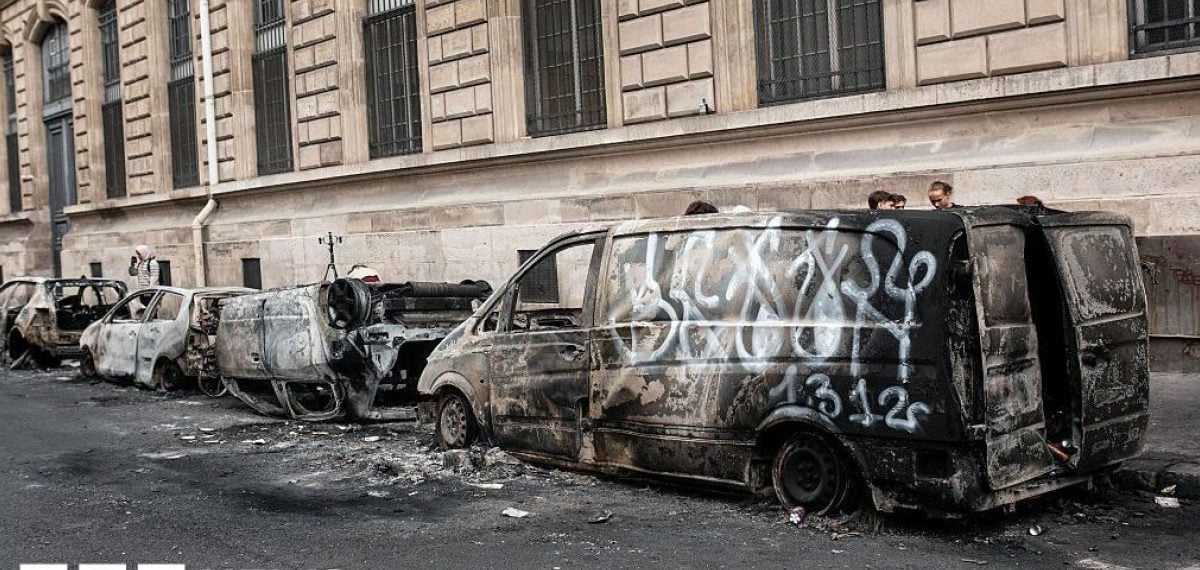
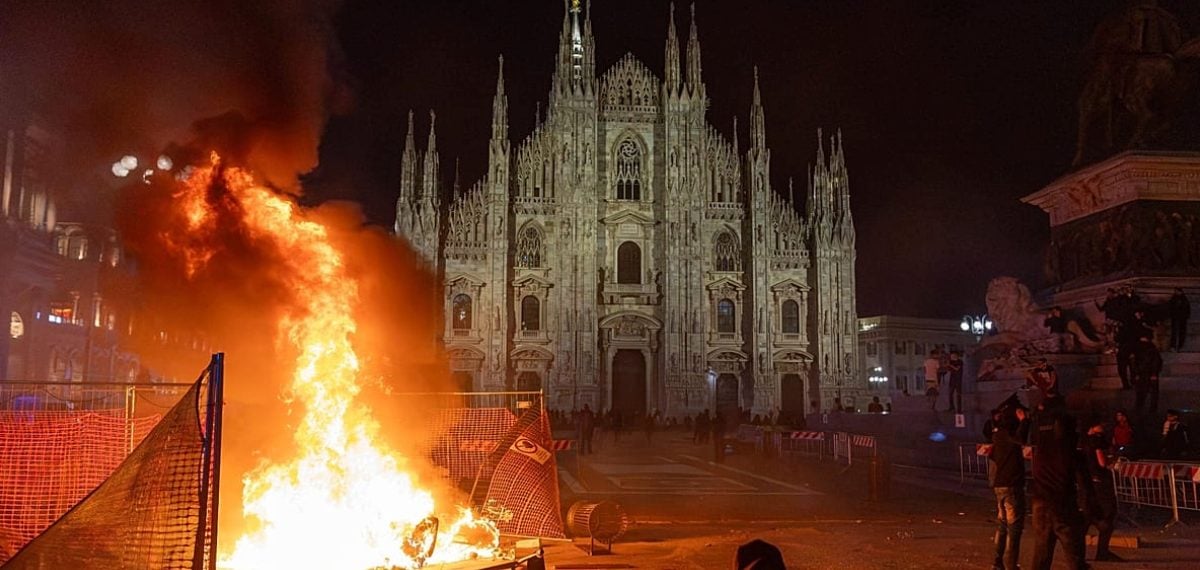
Russia’s hybrid campaign against Europe, marked by sabotage, arson, cyberattacks, disinformation and drones in restricted airspace, has prompted the European Union to rethink its response and consider a dedicated European Security Council, European Commission President Ursula von der Leyen announced in her State of the Union address.
The EU’s current approach has emphasized resilience and coordination through instruments such as the Hybrid Toolbox, activated in June 2024, which bundles cyber, sanctions, diplomatic and support measures. The toolbox created a dedicated Russia hybrid sanctions regime with first listings in December 2024, and rapid response teams were first deployed in Moldova in 2025. Analysts now note a shift toward faster public attribution to Russia and more discussion about imposing costs on Moscow.
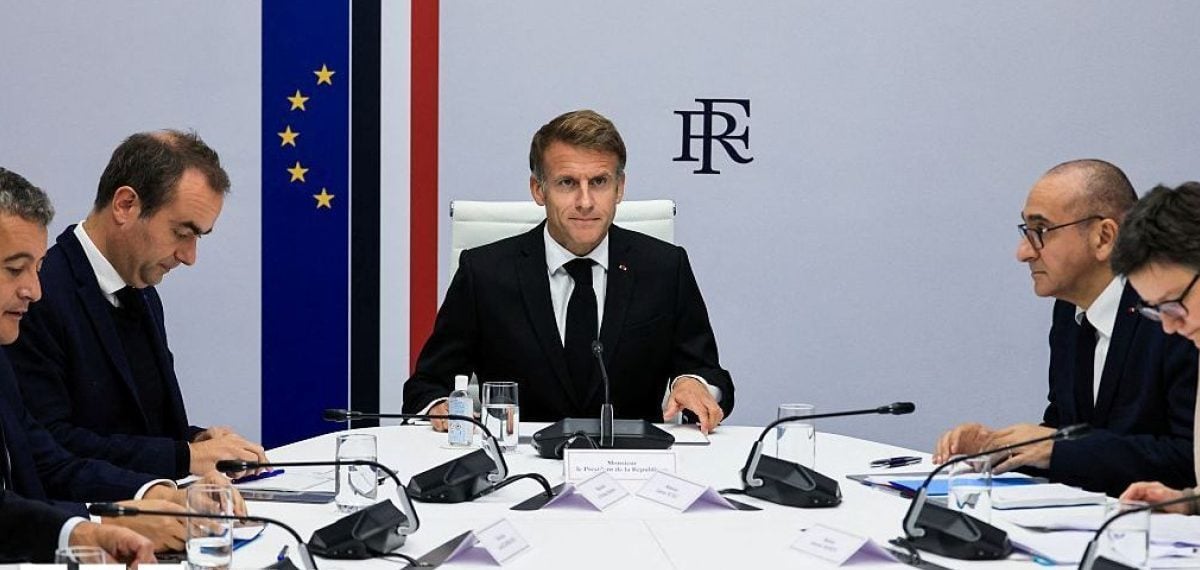
The proposal under consideration comprises three linked parts: a standing leaders’ forum, an Emergency Security Protocol, and a funding instrument for shared capabilities such as air defence. The Emergency Security Protocol, likened by von der Leyen to NATO’s Article 4, would allow any member state to convene all 27 governments when it feels its security is threatened, and the Commission is reportedly considering inviting partners including the UK, Norway, Ukraine and Canada.
No formal legislative proposal has been tabled and key elements such as legal basis, voting system, budget and launch date remain undecided. Critics note that the proposed Council would not be a decision-making body per se and therefore could not resolve disagreements that slow EU responses, though supporters argue it would improve cross-policy coherence and strategic thinking about instruments ranging from sanctions to spending.
The proposal raises a core threshold question of when hybrid attacks warrant a graver collective response. Observers point to Article 42.7 of the EU Treaty and debate whether operationalising it for hybrid attacks is appropriate, noting that cyberattacks that shut down hospitals or sabotage that disables a power grid could have consequences comparable to a conventional military attack. Russia’s exploitation of ambiguity in attribution complicates collective response and fuels calls for a shared framework to assess and respond to hostile actions below the threshold of armed aggression.
Some commentators link renewed interest in a European Security Council to doubts about US commitment to NATO’s Article 5 and to prior proposals by leaders such as Angela Merkel and Emmanuel Macron. Proponents say the Council would need decision-making procedures, parliamentary backstops, NATO-compatible command structures and a dedicated budget to have credibility, though such institutionalisation would likely require years of treaty drafting. Others argue an informal construct could be created quickly if political will demanded it.
The proposal signals an EU effort to move from resilience to deterrence by creating a structured political forum and an Emergency Security Protocol that could provide an earlier collective entry point for incidents below the armed attack threshold. By enabling regular leader-level discussion and potential partner participation, the Council could enhance strategic coherence across sanctions, diplomatic measures and capability spending, while leaving collective defence to NATO. Persistent obstacles remain rooted in national politics, unanimity requirements for sanctions and fragmented intelligence, which limit how quickly the EU can translate political consensus into decisive action.