23 Eylül 2026
hafif yağmur


EU to lift sanctions on Usmanov and Fridman after member-state compromise, signaling diplomatic shift and regulatory recalibration.

The European Union has agreed to remove sanctions on Russian-Uzbek billionaire Alisher Usmanov and Russian-Israeli businessman Mikhail Fridman after negotiations among member states, EU diplomats and officials said, prompting strong objections from Ukraine.
France advocated for Usmanov’s delisting, citing national security concerns, while Luxembourg supported removing Fridman as he pursues legal action over frozen assets. Latvia initially blocked the move but later accepted a compromise that extended sanctions on almost 3,000 other individuals and entities for three years.
Ukraine described the decision as unacceptable and urged EU members to impose national sanctions on the two oligarchs; Latvia has said it will do so. Kremlin spokesperson Dmitry Peskov welcomed the prospect, calling the EU measures illegal and saying Russian sanctions should be lifted.
Usmanov is the founder of USM Holdings, with interests in iron, steel and copper suppliers and the Megafon telecoms company; the EU froze his assets in 2022, labeling him a pro-Kremlin oligarch with close ties to President Vladimir Putin. Reports indicate France linked its initiative to a possible prisoner release arrangement with Azerbaijan.
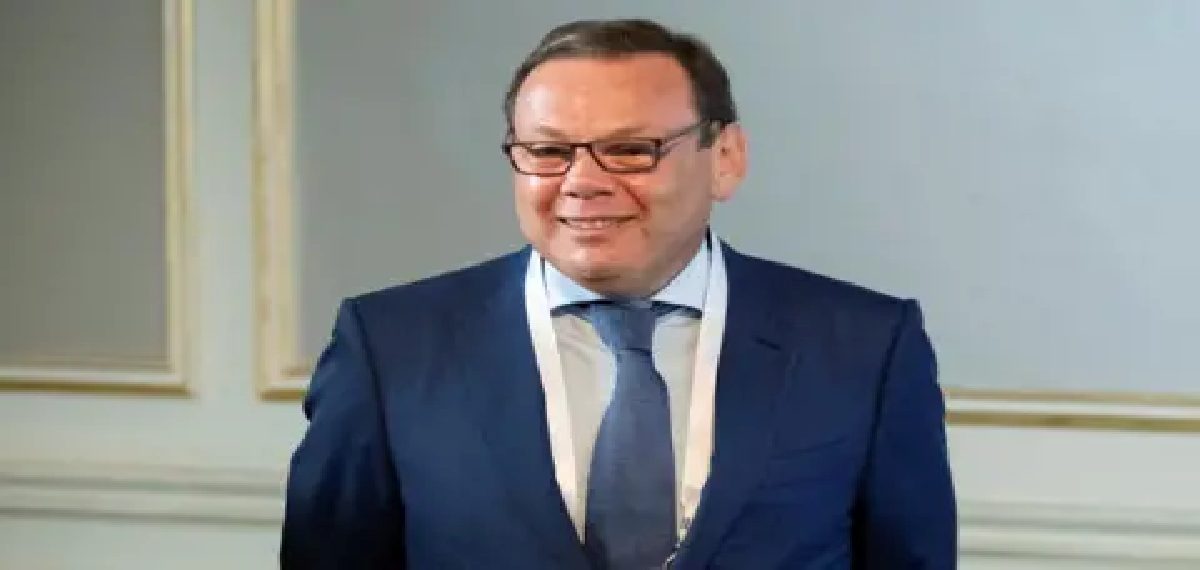
Fridman, born in Ukraine and a founder of the Alfa Group conglomerate with major energy and banking interests, was described by the EU as a top financier within Putin’s circle. At the start of Russia’s full-scale invasion he said the conflict should end swiftly but did not directly condemn President Putin. His former business partner Pyotr Aven lost Latvia’s highest civilian honour in 2022 for failing to condemn the invasion, a factor behind Latvia’s initial opposition before it shifted to abstention in a vote by EU ambassadors.
The compromise removed Usmanov and Fridman from the EU sanctions list while extending sanctions on roughly 2,600–3,000 other individuals and entities for three years. Latvia’s change from a veto to abstention formed part of the agreement, and France committed to talks on bolstering its military presence in Latvia and discussing participation in a French nuclear deterrence initiative.