21 Eylül 2026
açık


Education minister resigns after five-week student-led CJP protests shake Delhi, prompting political fallout and calls for policy reforms.
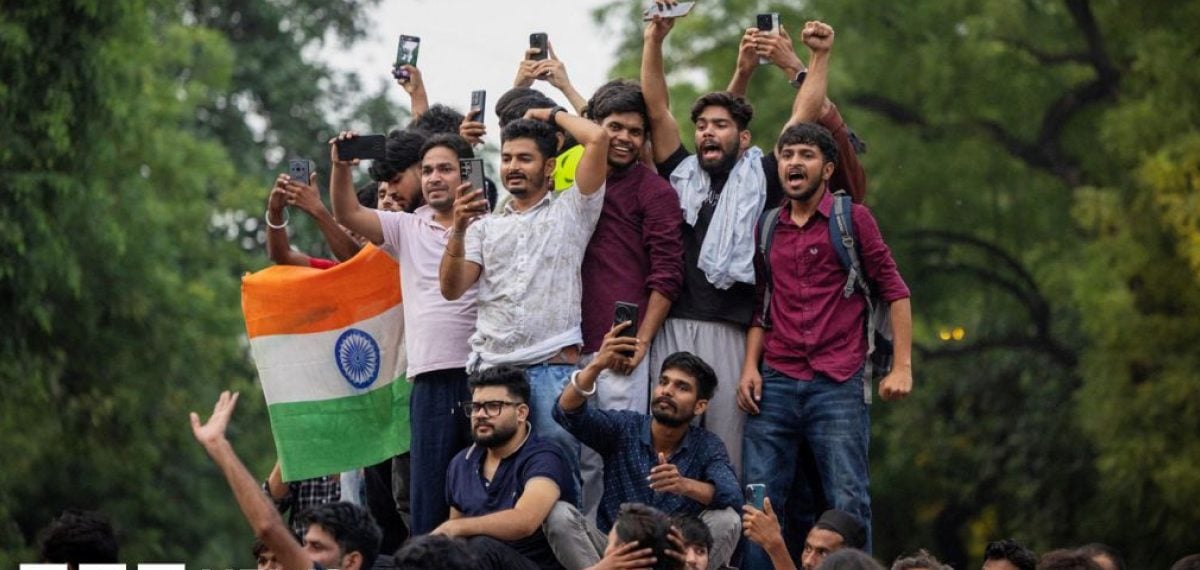
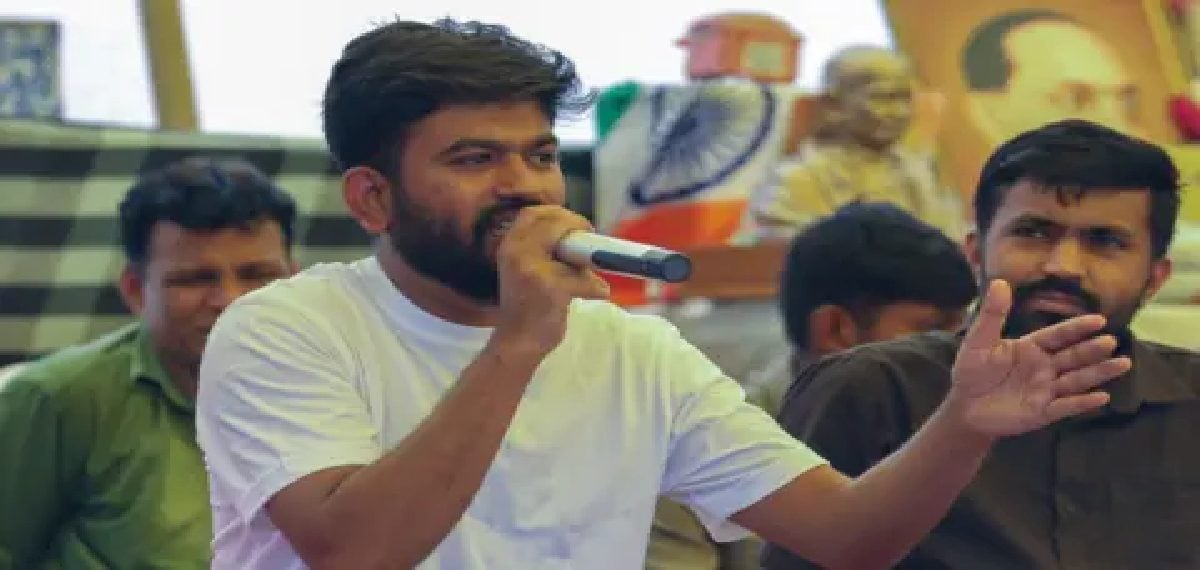
The Cockroach Janta Party (CJP) ended its five-week protest at Jantar Mantar in New Delhi after Education Minister Dharmendra Pradhan resigned, a development CJP founder Abhijeet Dipke called a victory for democracy.
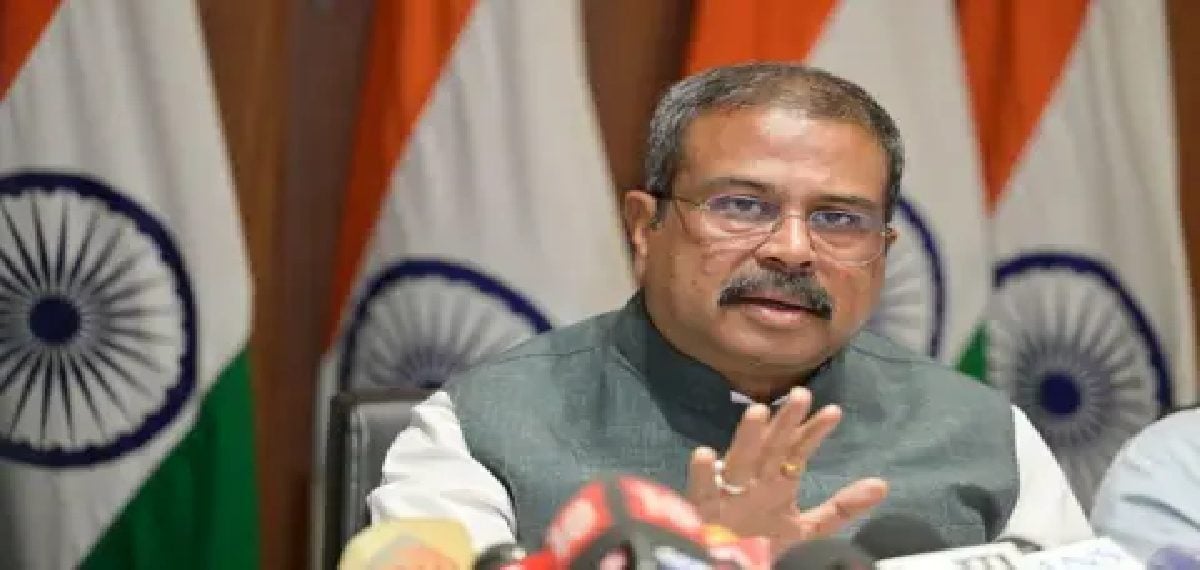
Pradhan announced his resignation on X in Hindi, saying he respected the aspirations of the youth and was pained by recent events. He said he submitted his resignation to the prime minister to prevent exploitation by anti-national elements, preserve national unity, avoid legal complications for students and allow them to focus on their studies and careers.
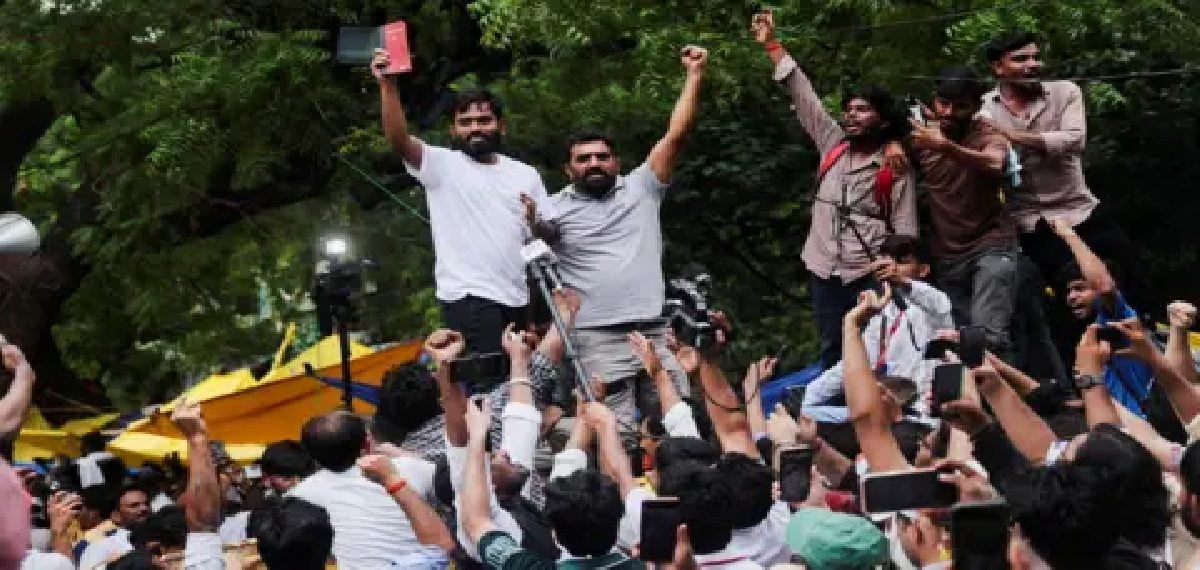
Following the resignation, jubilant protesters at Jantar Mantar celebrated with singing, dancing and sweets. Although CJP leaders declared the protest over and left the site, crowds remained into the night while police maintained a presence and said they would only act if the law was breached.
The CJP movement began after a remark by the chief justice of India referring to some unemployed young people as “cockroaches,” a label that was adopted satirically online. Led by 30-year-old Abhijeet Dipke, the movement amassed large online followings and demanded education reforms, accountability for exam paper leaks and Pradhan’s resignation.
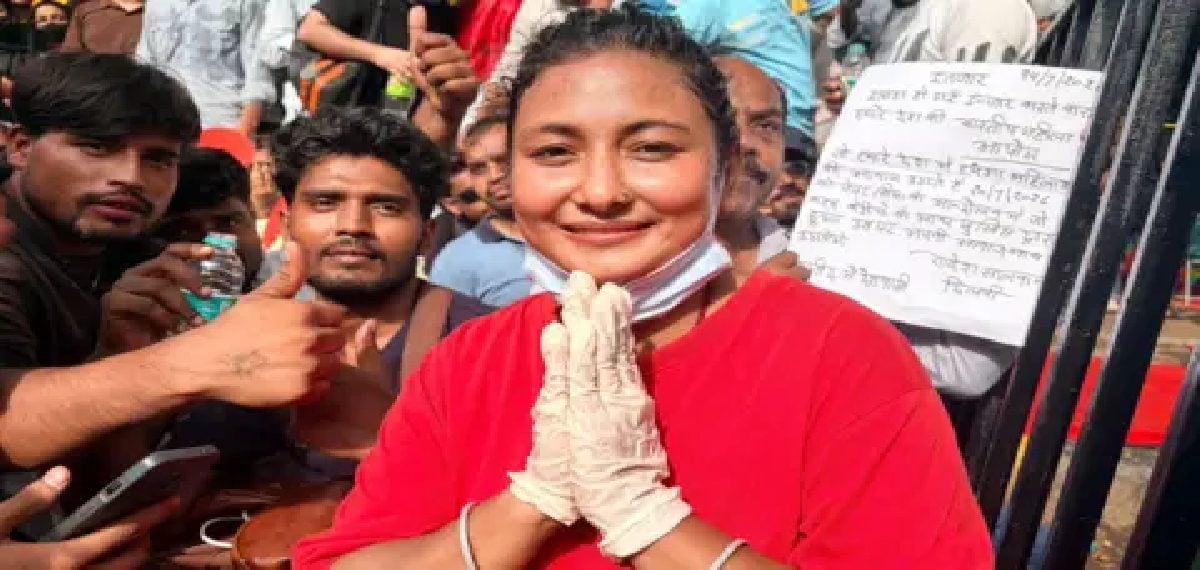
Prominent educationist Sonam Wangchuk joined the protests on 28 June and began an indefinite hunger strike, which drew larger crowds as his health worsened; he was later removed by police and taken to hospital, where he ended the fast following government assurances that his demands would be considered.
The protest drew support from major opposition parties, activists and celebrities, and featured slogans directed at Prime Minister Narendra Modi. Many attendees told the BBC they had waited weeks for this outcome and celebrated Pradhan’s resignation as a win for the youth-led movement.
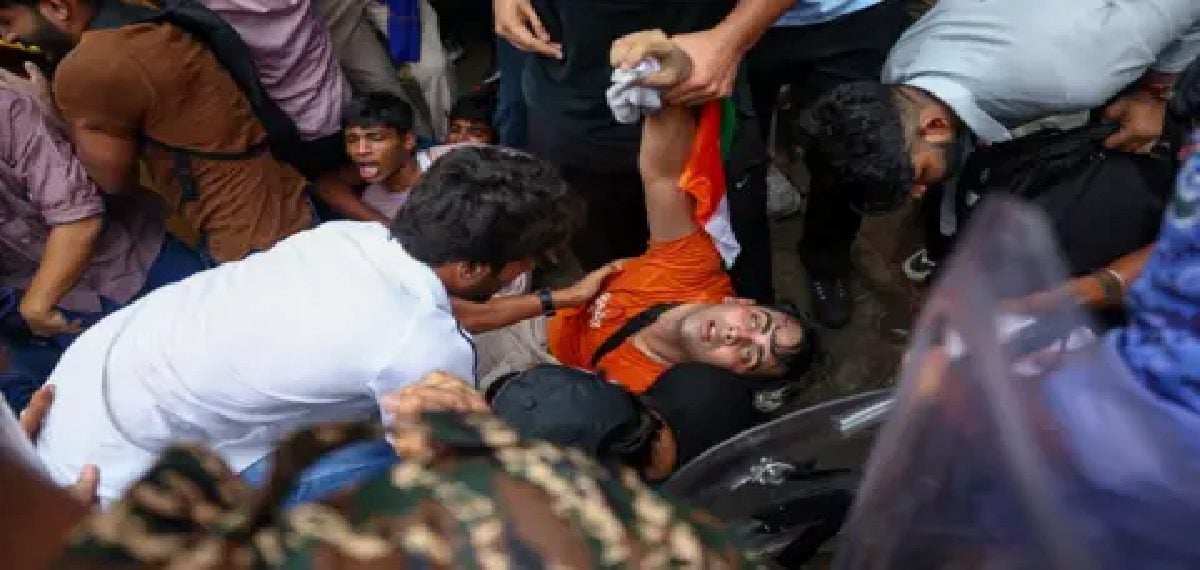
Violence earlier in the week heightened pressure on the government after police and paramilitary forces used batons and fired tear gas at protesters trying to march to Parliament, leaving about 300 people taken to hospital and roughly 70 arrests, most of whom were later released on bail, according to the reporting.
Prime Minister Narendra Modi responded during the week by announcing plans for fast-track courts and a tough new law targeting examination paper leaks, saying a draft was ready to be introduced in parliament.
After Pradhan’s resignation, Dipke said the movement would continue to press for compensation for families of students who died by suicide after a medical exam cancellation, and for action against police officers accused of excessive force on 20 July. He urged supporters not to underestimate the CJP.
The resignation of Education Minister Dharmendra Pradhan followed sustained, high-profile student-led protests at Jantar Mantar, marked by a high-profile hunger strike and a violent police crackdown that increased national attention. The movement’s online reach and public demonstrations prompted official responses including proposed fast-track courts and a draft law addressing exam paper leaks. CJP leadership framed the resignation as a democratic victory while signalling continued demands related to student welfare and alleged police misconduct.