06 Eylül 2026
açık

Deadly Trishuli floods devastate Nepal’s hydropower, killing over 1,300 and crippling infrastructure; urgent response and recovery efforts underway.
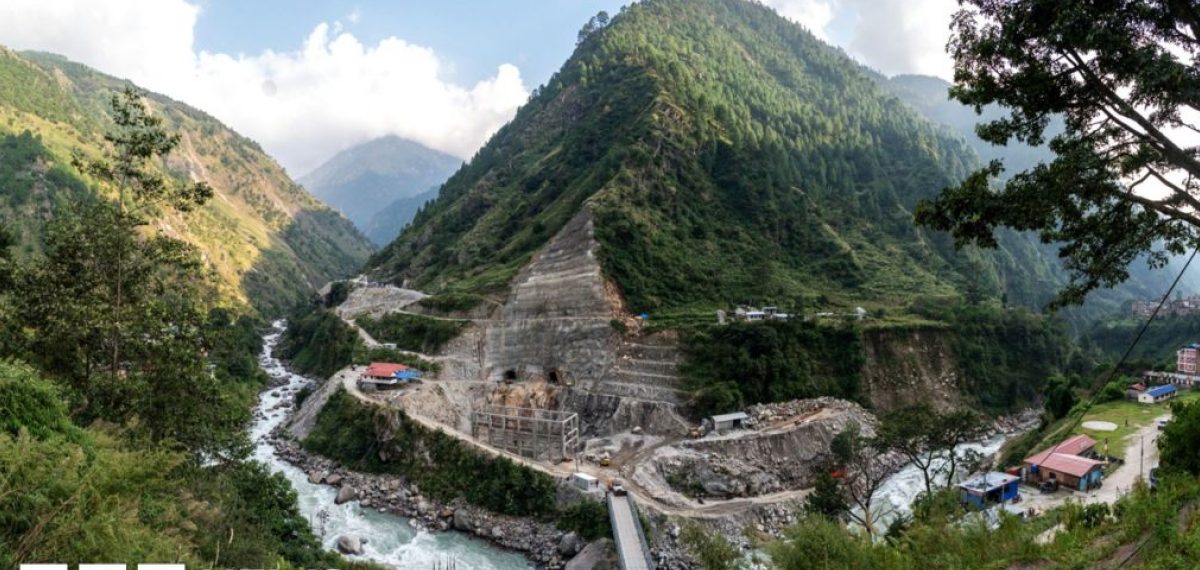
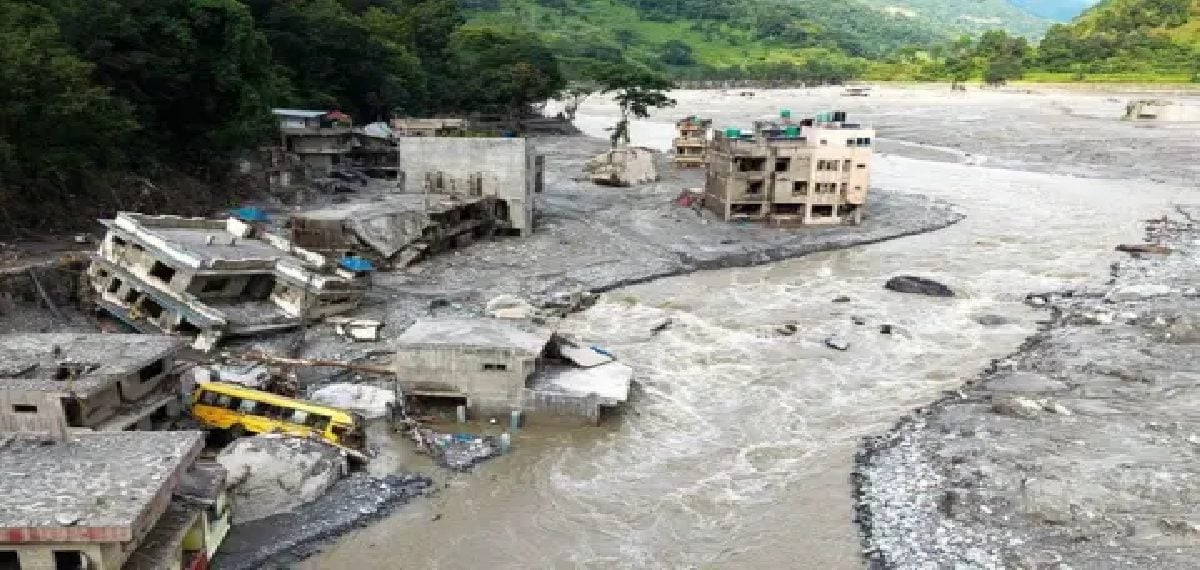
Flash floods struck the Trishuli River basin in Nepal, killing more than 1,300 people, damaging 12 hydropower plants and eliminating over 10% of the country’s electricity generation capacity, state and industry officials said.
The deluge, attributed by preliminary investigations to a collapsed glacier and its bedrock, destroyed entire villages near the Nepal-Tibet border and left hundreds of workers, engineers and residents believed trapped in mud-filled hydropower tunnels, authorities reported.
The Nepal Electricity Authority, owner of six affected facilities, stated that household supply remains adequate but acknowledged significant losses to generation capacity and called for a re-evaluation of hydropower strategy in light of increasing climate-related disasters.
Official and expert statements in the source material note that the floods wiped out more than 10% of Nepal’s installed capacity and severely damaged major projects including Upper Trishuli-1 and Upper Trishuli 3A, projects funded by multilateral and foreign financiers. Insurers have paid roughly $40m for recent flood-related damage, and premiums are rising according to industry representatives. Authorities and analysts cited the faster warming of the high-altitude Himalayas and prior flood events in the Trishuli basin as context for the disaster, while calls were made for more resilient plant design, early-warning systems and consideration of reservoir-based storage options.
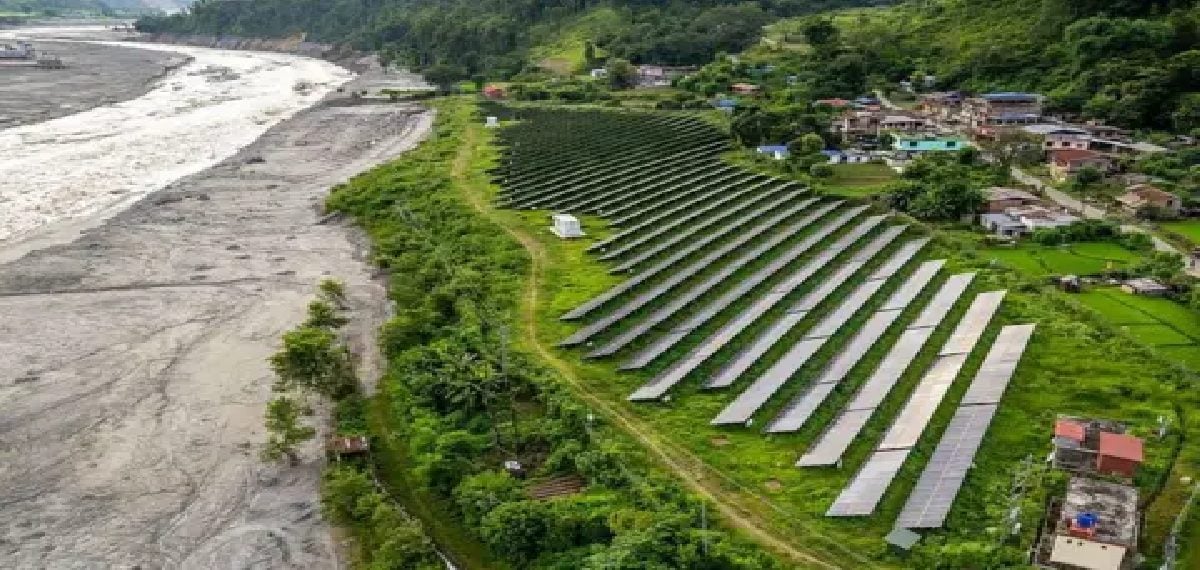
Current data indicate Nepal has 225 hydropower plants with about 3,900MW installed capacity, capable of powering roughly three million households, and that hundreds more projects are under construction or planned. Officials and experts in the source material discuss the need to diversify energy sources, noting technical solar potential estimates and the continuing dominance of hydropower in large-scale investment.