12 Kasım 2026
parçalı bulutlu


Dense fog pileups on the Trakia motorway kill 11 and injure dozens; emergency services respond as authorities investigate causes and warn travelers.
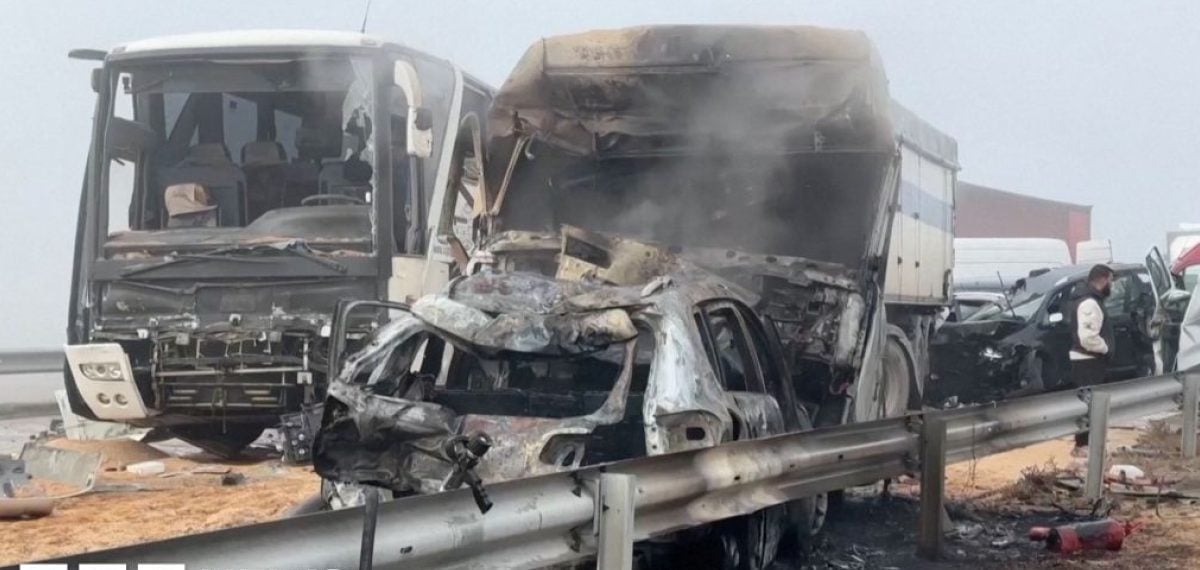
At least 11 people were killed and 46 injured in two separate pile-ups on the Trakia motorway in south-eastern Bulgaria, authorities reported after a multi-vehicle collision on the motorway that runs west to east through Sofia.
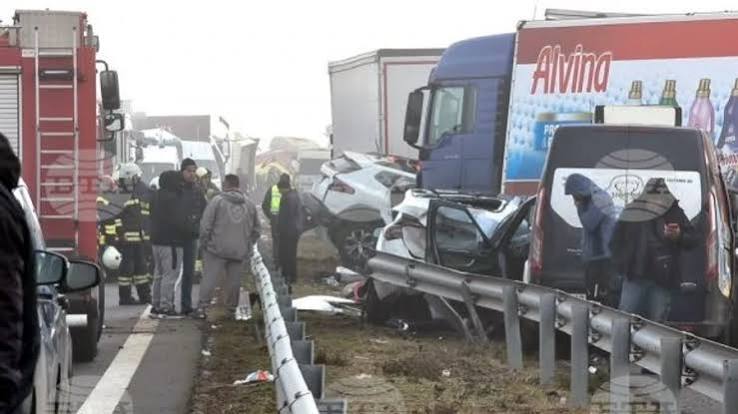
The first crash occurred on the eastbound carriageway amid dense fog that reduced visibility, with officials saying the fog was the likely cause. More than 70 vehicles were involved in the incidents, Sliven region governor Mihail Kasherov told journalists at the scene.
The second crash took place on the Sofia-bound carriageway and was also attributed to the fog, with drivers reportedly distracted by the earlier collision. Road administration director Galin Kostov said speeds were unsuitable for the wet conditions and that the motorway would remain closed until it was cleared.
Regional authorities reported that emergency crews responded after the first reports at 07:10 local time, with injured people transported to hospitals in the Yambol, Sliven and Burgas regions. Rescue teams removed sections of the crash barrier to reach victims, and the fog prevented helicopter evacuations.
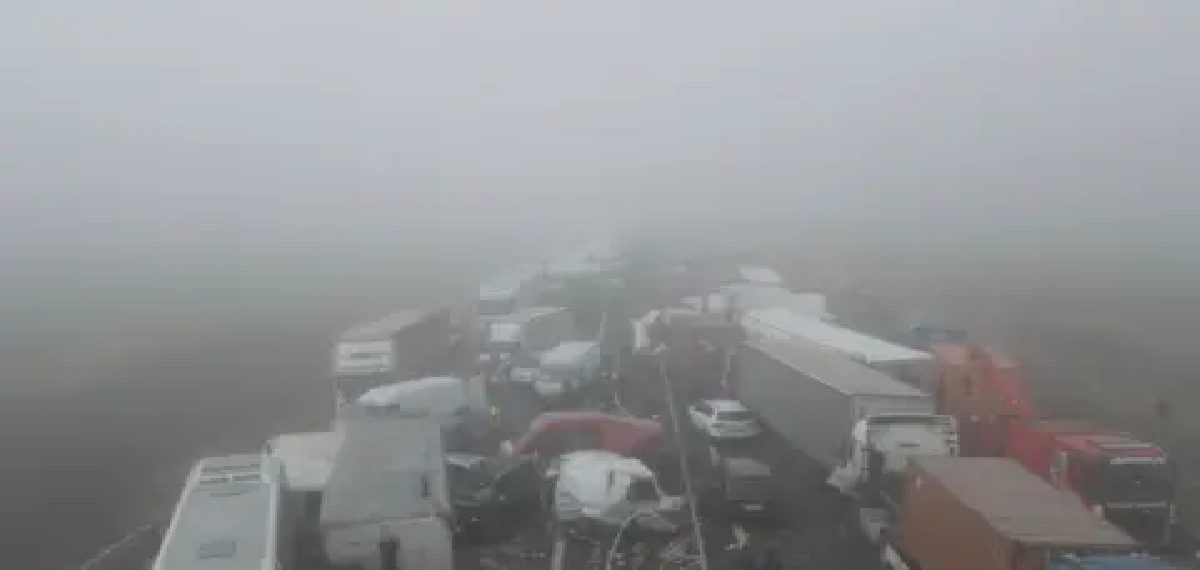
Witnesses described extremely thick fog at the scene, with one witness telling Reuters that they pulled a man from a burning vehicle and another saying many people had died. A drone captured images of the crash site through the dense fog. Prime Minister Rumen Radev cut short a news conference he was holding with European Commission President Ursula von der Leyen following the news of the crashes.
The collisions highlight the acute danger posed by sudden reductions in visibility on high-speed motorways and the challenges emergency services face when weather conditions impede aerial support. The scale of the pile-ups and the closure of the Trakia motorway underline the broader disruption such incidents cause to regional transport and emergency response coordination.