27 Kasım 2026
açık


Bitcoin falls to fresh lows as rising inflation figures and a tech sector selloff weigh on markets, increasing investor caution.

Bitcoin fell below $58,000 on Wednesday as hotter-than-expected U.S. core PCE inflation data and a sharp selloff in technology stocks pressured markets, with the cryptocurrency touching $57,300 near the U.S. session open before recovering slightly above $59,000.
The decline brought bitcoin back within reach of last weekend’s $55,100 low, prompting analysts who had anticipated a recovery to revise views amid renewed downside momentum.
Equity markets experienced notable losses alongside crypto, with the Nasdaq 100 down 4.2% and the S&P 500 off 2.8% in early U.S. trading before trimming some losses by afternoon; the reversal erased much of the earlier bounce driven by Jensen Huang’s return as Nvidia CEO.
Market participants cited multiple drivers of selling pressure, including stronger-than-expected core PCE inflation complicating the Federal Reserve’s policy path, increased short positioning in perpetual futures, reports of fresh U.S. tariffs, and potential month-end MSCI index rebalancing tied to bitcoin treasury company Strategy MSTR.
Investors moved into perceived safe havens as a result, with flows into the U.S. dollar and longer-dated U.S. Treasury bonds noted by market strategists, even as short-dated debt faced selling pressure. Markets priced in a 25 basis point Fed rate hike in December, while some strategists expected inflation to ease and financial conditions to have tightened.
Within crypto, persistent bitcoin ETF redemptions were described as reflecting the unwinding of futures-based carry trades rather than outright bullish accumulation, suggesting investors were building cash reserves, reducing leverage and rotating away from tech and crypto without fully abandoning risk assets.
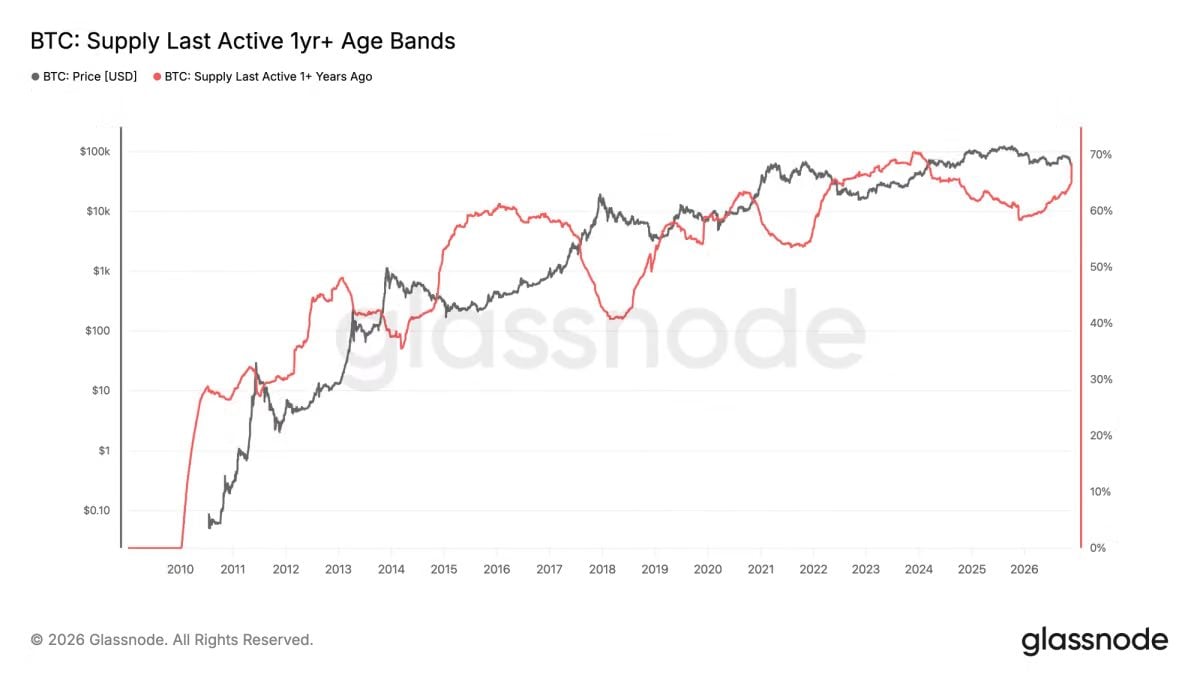
Galaxy revised its prior view that the bear market had ended in June, with research from Alex Thorn withdrawing the October call after bitcoin failed to sustain reclaiming its 50-week moving average, subsequently dropping below its 200-week moving average and undercutting the summer intraday low. The firm indicated a daily close below $58,525, the June 30 closing low, could signal a materially lower bottom and noted historical precedents where breaks below such lows led to further declines roughly consistent with a move toward $48,500.
Despite widespread pessimism, some analysts still see potential for a rebound to higher levels by year-end if inflation cools, while veteran crypto investors expressed unusual reluctance to buy the dip amid additional concerns about advances in artificial intelligence and encryption risks that could affect blockchain security and long-term confidence.
The confluence of hotter inflation readings and equity weakness has reintroduced significant downside risks for bitcoin, reversing earlier technical signals that had supported a bullish narrative. Elevated ETF redemptions and increased short hedging indicate market participants are prioritizing liquidity and risk reduction, which may sustain pressure on bitcoin prices in the near term. Galaxy’s reassessment of its bear market call underscores how technical failures to hold key moving averages can reshape sentiment and open paths to lower price targets, while the noted rotations into dollars and longer-dated Treasuries reflect a broader repositioning across traditional and crypto markets.