06 Temmuz 2026
açık


Vietnam ramps up nationwide enforcement against counterfeit goods amid US pressure, targeting suppliers and strengthening IP protections to reassure trade partners.

Vietnamese authorities announced a nationwide operation targeting counterfeit goods, online piracy and trademark infringements after raids in Ho Chi Minh City and elsewhere exposed large-scale bootlegging earlier this year; the government launched the campaign on May 7 and said the effort aims to curb illicit trade that has attracted international scrutiny.
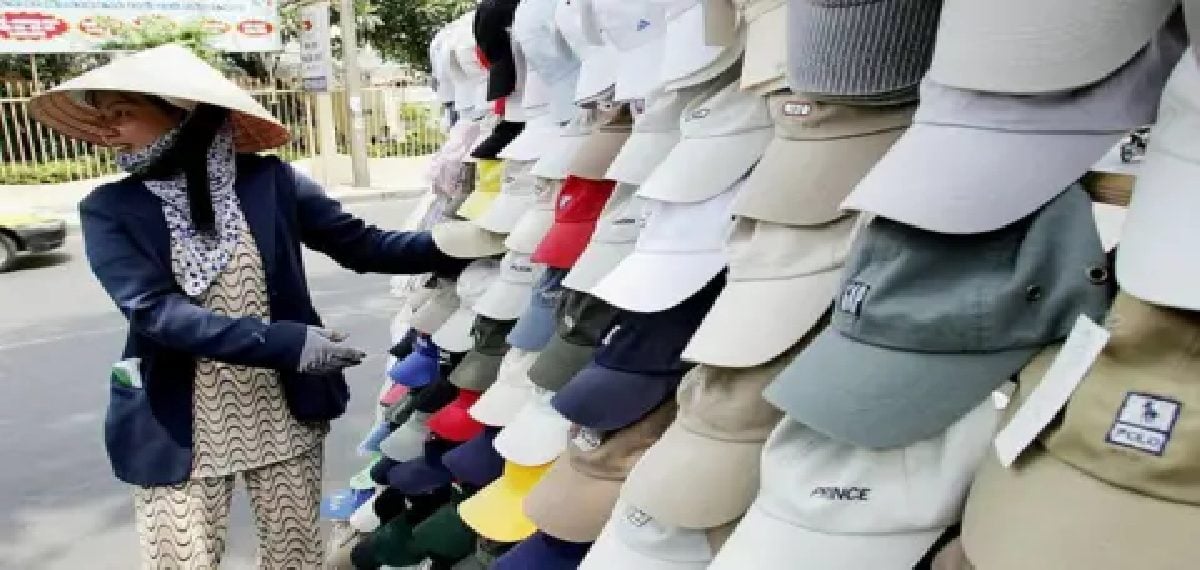
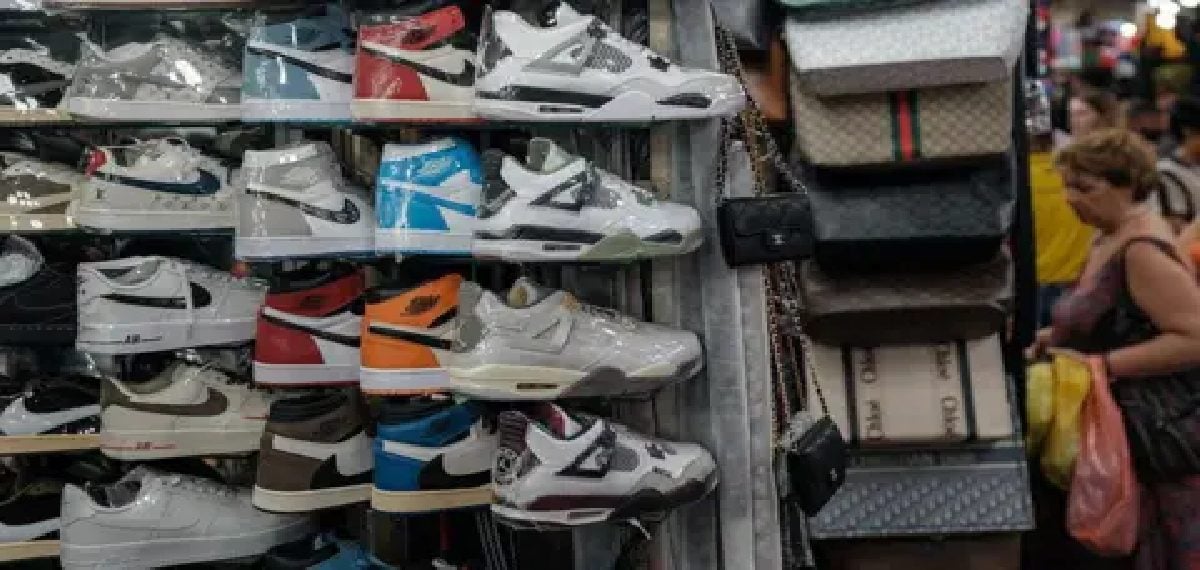
Police raids in outer Ho Chi Minh City uncovered more than 23,000 pairs of counterfeit slippers bearing logos of brands such as Nike, Adidas, Crocs and Gucci, with seized goods valued at VND 2 billion. At the same time, vendors in tourist areas like Saigon Square and Ben Thanh Market continued to sell imitation products ranging from luxury handbags to replica shoes.
The intensified enforcement follows a report from the Office of the United States Trade Representative in April that designated Vietnam a “priority foreign country” for persistent IP protection failures, a designation that prompted threats of tariffs and heightened diplomatic pressure.
Vietnamese authorities said they increased inspections and seizures through May and early June, reporting more than 1,400 intellectual property infringement cases handled in three weeks. In mid-May, surprise inspections at Saigon Square and Ben Thanh Market led to fines exceeding $19,000 and confiscations of counterfeit items.
Officials also targeted manufacturing and distribution networks. On June 10, police in Thanh Hoa province dismantled a ring that allegedly produced over 10,000 counterfeit jewelry pieces imitating brands such as Bvlgari, Cartier, Louis Vuitton and Tiffany & Co., with estimated illicit profits of $1,140,000 for the syndicate.
Market closures, warehouse raids and seizures have disrupted some vendors, while others quickly adapt by shifting stock to back rooms or altering designs and brand names to evade enforcement. Vendors described informal early warnings when inspectors approach, allowing many shops to conceal trademarked items.
Supply chains for the counterfeit products often trace back to manufacturing hubs across Vietnam’s northern border with China, where wholesalers source bulk items for domestic distribution. The region’s manufacturing capacity and proximity to supply networks have sustained the black market for knockoffs.
Responses among local producers and consumers are mixed. Independent designers such as Huong Thi Nguyen welcomed the crackdown, saying it could restore fairness for local creators and allow legitimate businesses to compete, while some buyers, including lower-income consumers and tourists, continue to favor cheaper imitations for convenience and affordability.
Authorities framed recent sting operations as progress against a persistent problem, and the US has continued to scrutinize Vietnam’s efforts by launching its own investigation into whether Vietnam’s enforcement failures are unreasonable for US commerce. Officials pledged to step up IP violation busts by at least 20% in May compared with the previous year.
Despite intensified enforcement and high-profile seizures, experts and local observers say demand and adaptive tactics by manufacturers and sellers make full eradication unlikely, as sellers modify designs and branding to remain commercially viable while staying near legal thresholds.