04 Eylül 2026
açık

Two workers rescued from Trishuli 3A tunnel as devastating floods leave hundreds missing; rescue teams race to find survivors and secure affected areas.
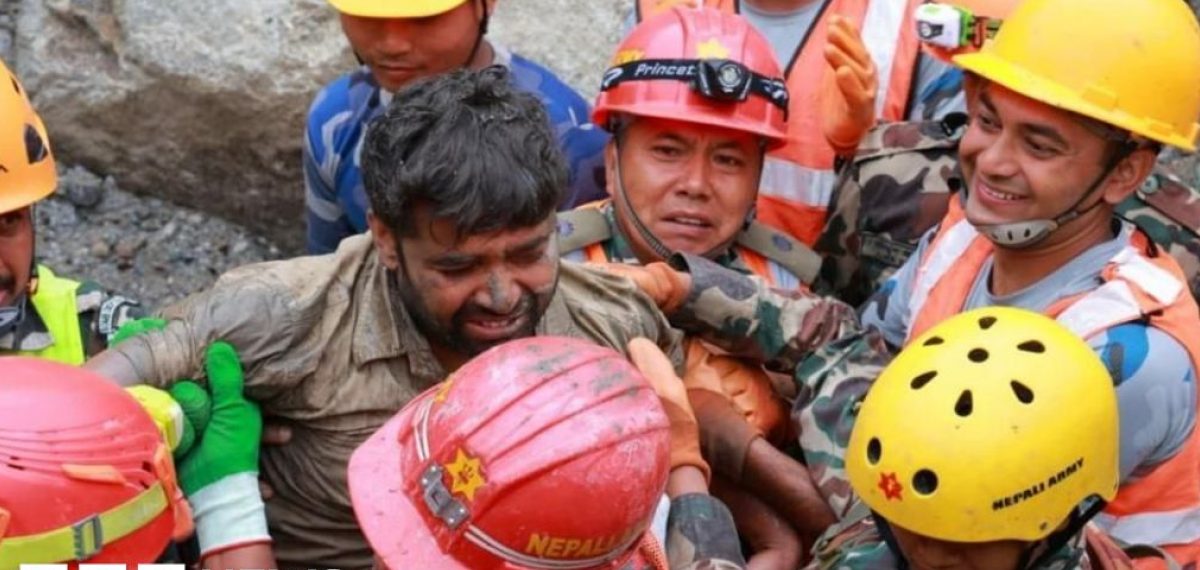
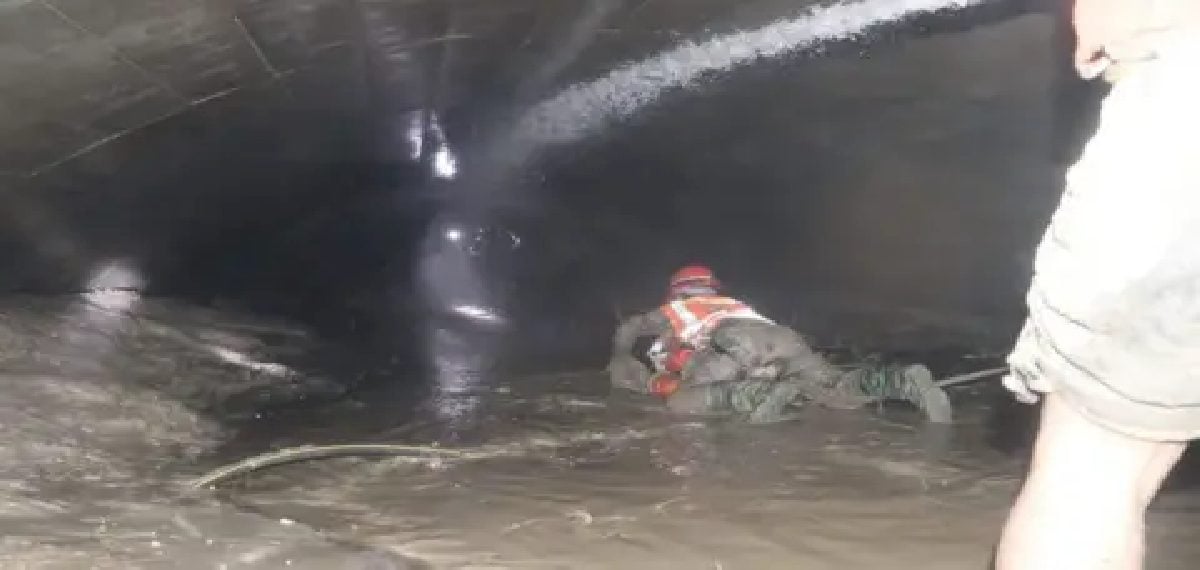
Rescue teams in Nepal recovered two injured workers and a body from the Trishuli 3A hydropower tunnel nine days after a devastating flash flood swept through a Himalayan valley on 26 August, officials said. Authorities have been searching multiple hydropower tunnels where more than 150 people are feared trapped following a glacial collapse that triggered the surge.
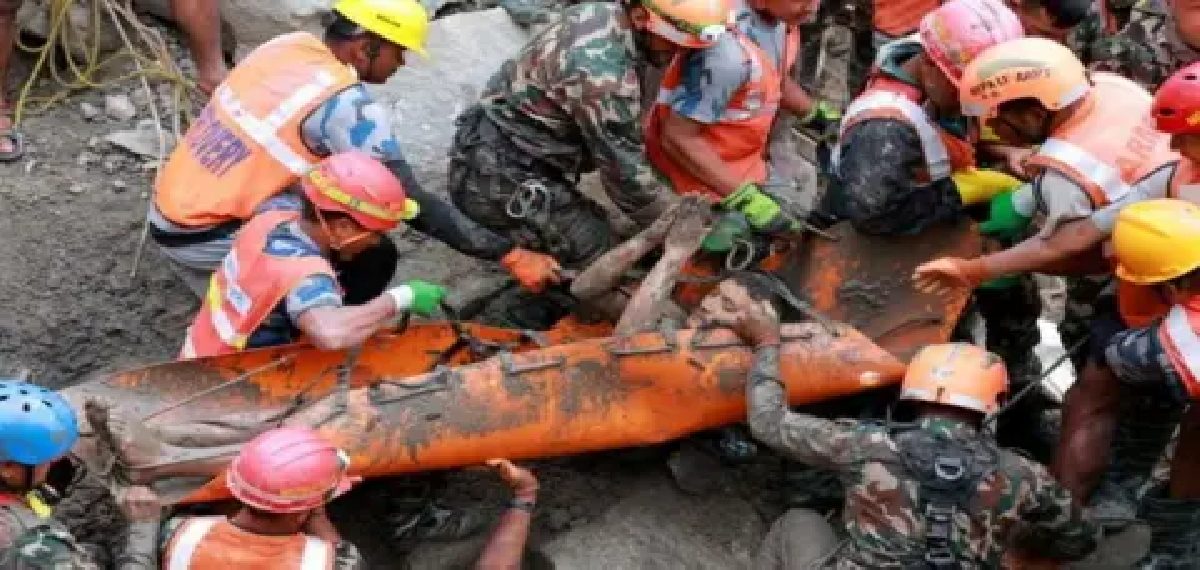
Crews heard faint responses at the Trishuli 3A site early on Friday and found Sanjaya Shah and Kabir Maharjan with hand and leg injuries, possibly from crawling through the tunnel. Both were airlifted to the Army Hospital in Kathmandu, with Maharjan reported in critical condition by the prime minister’s office. Rescuers later recovered a swollen body in the same tunnel that could not be immediately identified.
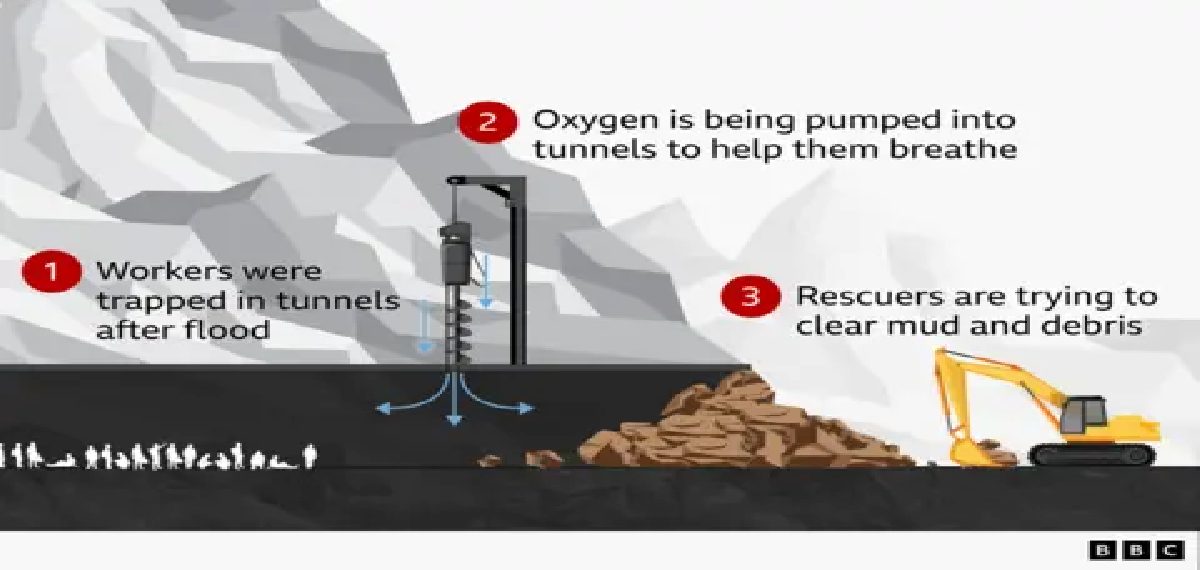
Col Jhabindra Reshmi said rescue teams have so far evacuated more than 400 Nepali nationals and 270 foreign citizens since the flash flood on 26 August. Officials continue operations at seven hydropower tunnels and 19 other locations, while engineers pump air into blocked passages and dig access holes where mud and rocks prevent normal entry.
Heavy machinery washed away by the flood has hampered efforts to clear tunnels, according to a representative of Nepalese power companies. Uttam Bhlon Lama, vice president at Independent Power Producers of Nepal, said the recent rescues would motivate crews even as flood levels remain high and authorities warn that ongoing rainfall could cause further flooding.
Rescue work remains focused on hydropower tunnels where crews heard potential survivors at Trishuli 3A and found two injured workers and one body. Official tallies report 1,311 confirmed dead and 5,330 missing across Nepal and Tibet combined, with Nepal reporting 1,287 deaths and 5,083 missing while Chinese media cite 31 deaths and 531 unaccounted for on the Tibetan side. Scientists and experts cited in reports point to a glacial collapse as the likely trigger and note evidence of prior ice instability.