20 Temmuz 2026
açık


Sonam Wangchuk’s 16-day hunger strike continues as his health worsens; supporters call for urgent intervention and dialogue.
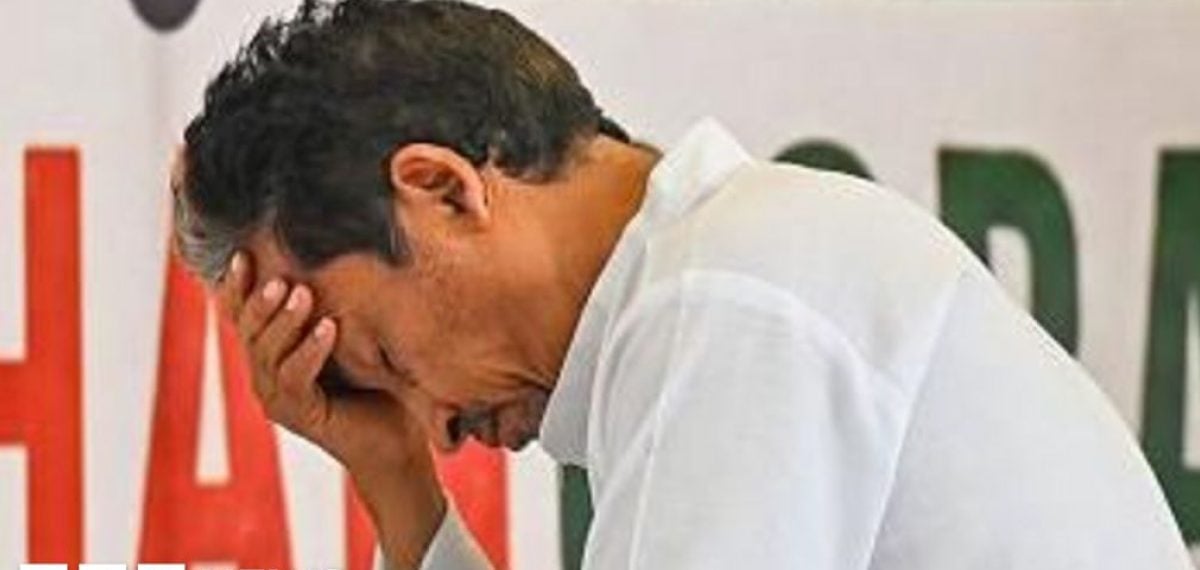
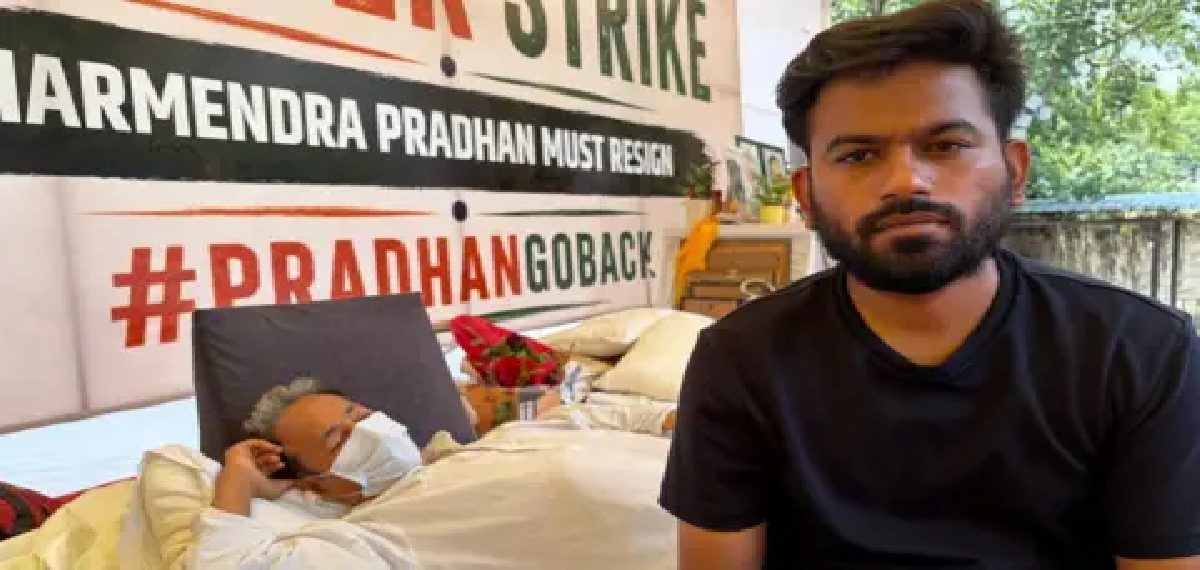
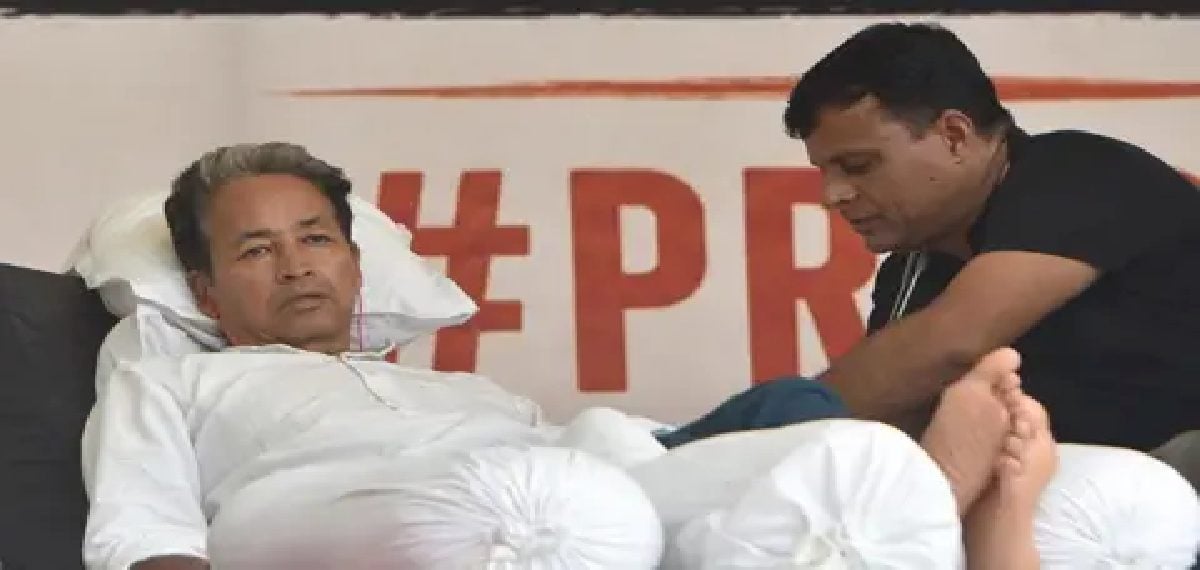
Sonam Wangchuk, a 59-year-old engineer and education activist from Ladakh, has been on an indefinite hunger strike at Jantar Mantar in New Delhi for 16 days, demanding the resignation of Education Minister Dharmendra Pradhan after a medical entrance exam was cancelled following a paper leak; his supporters report an 8.2kg weight loss, blood pressure of 107/70 and blood sugar down to 67, raising serious health concerns.
The protest began on 29 June under the banner of the online satirical Cockroach Janta Party (CJP) led by Abhijeet Dipke. CJP’s immediate call is accountability from the education ministry and Pradhan’s resignation over the leaked exam paper. Several students and activists have joined Wangchuk’s fast, and one hunger striker was hospitalized recently after sudden health deterioration.
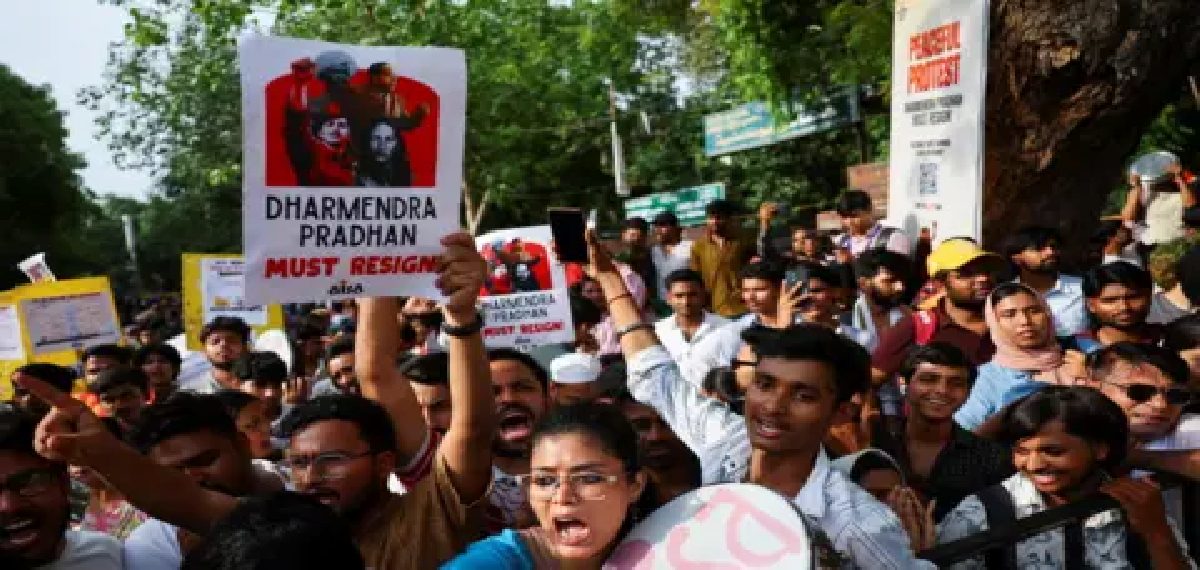
Wangchuk, known as “Sonam sir,” has a public profile as an innovator and climate activist; he developed the ice stupa technique to conserve water in Ladakh and received the Ramon Magsaysay Award in 2018. His public stature has drawn nationwide attention to the protest, with hundreds gathering at Jantar Mantar despite temperatures reaching 38C (real-feel up to 46C).
Dipke says doctors have warned Wangchuk against continuing the fast and that thousands of messages urge him to stop, but Wangchuk insists on continuing until the government “fixes accountability in the education system.” The education minister has so far refused to resign and dismissed the movement as a disruptive fringe.
Political leaders, activists and social media figures have visited the site in support, but no representative from the ruling Bharatiya Janata Party has engaged the protesters, according to CJP. In response, organisers plan a march to parliament on 20 July, when the next session begins, to press their demands directly.
Wangchuk’s hunger strike highlights deeper public frustration with institutional accountability in high-stakes testing that shapes careers and social mobility. When exam integrity is questioned, the fallout extends beyond individual candidates to trust in regulatory bodies and to political legitimacy, pressuring governments to adopt transparent, enforceable safeguards.
For education policy and markets linked to private coaching and admissions, recurring exam scandals can intensify calls for systemic reform—digital exam security, independent oversight and clearer redress mechanisms—while civil-society actions such as prolonged fasts can catalyse short-term political responses but risk human costs if left unresolved.