22 Temmuz 2026
açık


Record heat in the US and Canada worsens humidity and air quality, posing health risks and straining communities and infrastructure.

Extreme heat swept parts of Canada and the US this week, with heat warnings affecting millions across Ontario, Quebec, Manitoba and the Northwest Territories, and major US cities under advisories as temperatures and humidity surged through Wednesday.
Environment Canada said a strong area of high pressure is moving eastward, keeping hot conditions in place and contributing to deteriorating air quality in urban centers such as Toronto, where the temperature reached 98F (36C) on Tuesday and commuter services reported weather-related delays.
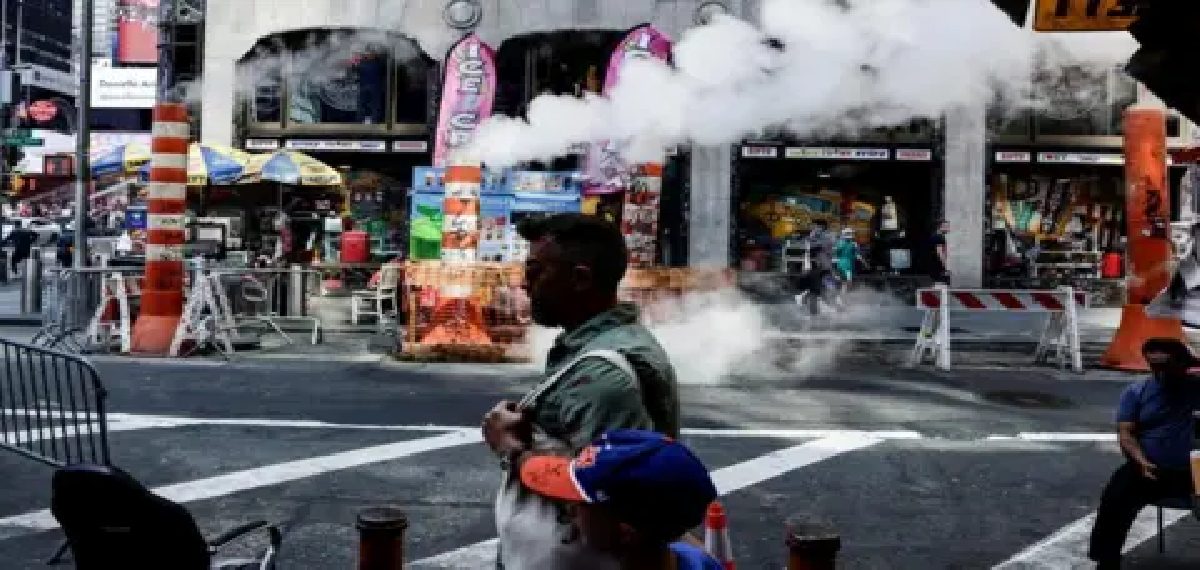
Across the US Midwest and Northeast, cities including New York, Boston, Philadelphia and Buffalo were under heat advisories. Forecasts called for Chicago to hit 97F on Wednesday, New York to approach 100F and Washington DC to reach about 102F, with humidity pushing heat-index values higher.
Earlier this week, record highs were reported in parts of the interior West: Billings, Montana topped 111F, surpassing its previous record of 108F, and Salt Lake City reached 109F, above its prior 107F mark.
Officials warned the hot spell could persist until a cold front arrives later in the week, bringing the risk of severe thunderstorms across central and eastern Canada and parts of New England, which may temporarily displace the hottest air but leave temperatures above seasonal normals.
The recurring and intensifying heat episodes reflect broader climate trends: global temperatures have risen about 1.1C since the preindustrial era, increasing the likelihood of more frequent, intense and longer-lasting heatwaves. For public health and infrastructure, this raises short-term demands on cooling centers, transit systems and emergency services, and underscores the need for longer-term investments in resilient urban planning and heat-mitigation measures.
Economically, prolonged heat disrupts labor productivity in outdoor industries and strains energy systems through higher cooling demand, while insurers and municipal budgets face growing costs tied to climate-driven extremes. Policy responses that combine emissions reductions with adaptation planning can reduce future impacts but require coordinated government action and funding.