12 Eylül 2026
açık


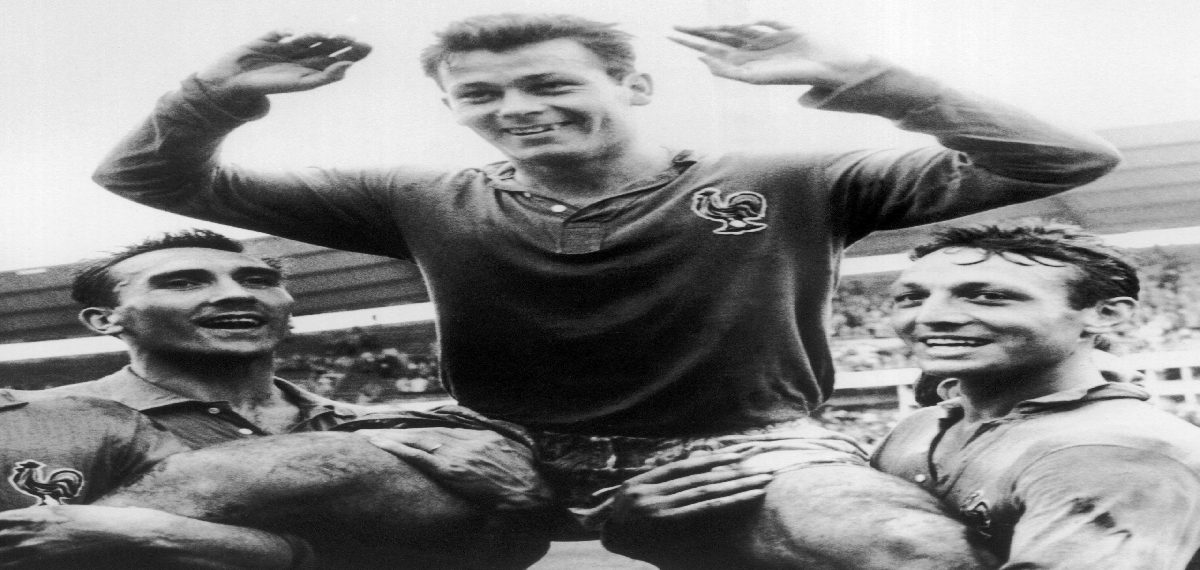
Just Fontaine’s 13-goal World Cup record remains an unmatched, era-defining feat in football history, showcasing extraordinary scoring brilliance.

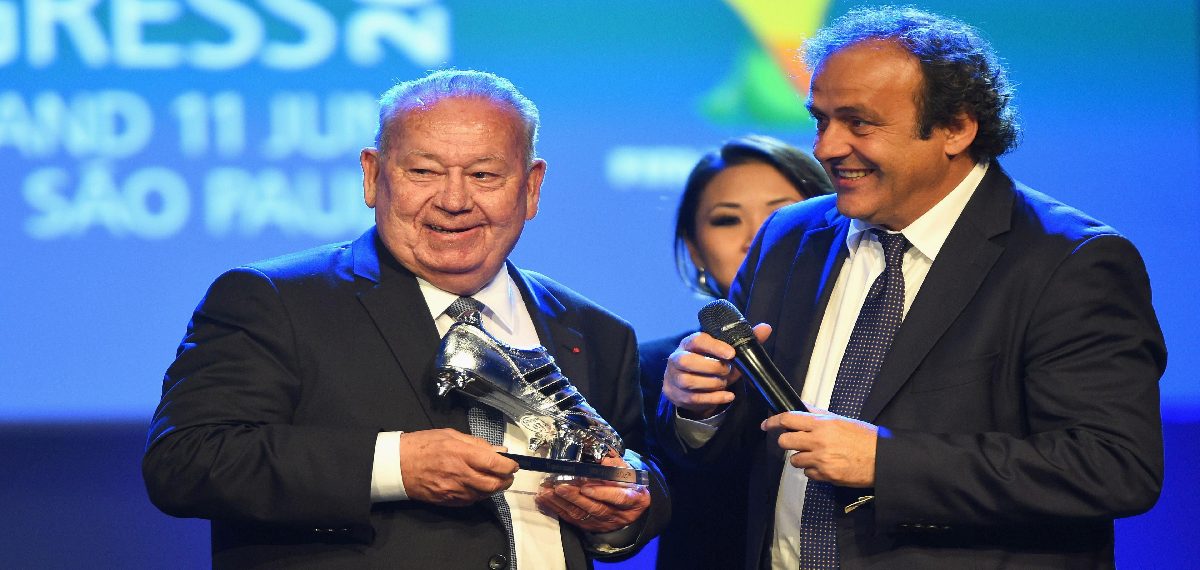
What happened, where, who said it, when and the main result: In the 1958 World Cup in Sweden, Just Fontaine — who was born in Marrakesh in August 1933 and represented France — scored a record 13 goals in six matches, a tally that remains unbeaten; sports historian Philip Barker and Fontaine’s own later comments confirm his unexpected rise from a squad reserve to tournament top scorer, and Fontaine was posthumously honored with a platinum boot by FIFA in 2014.
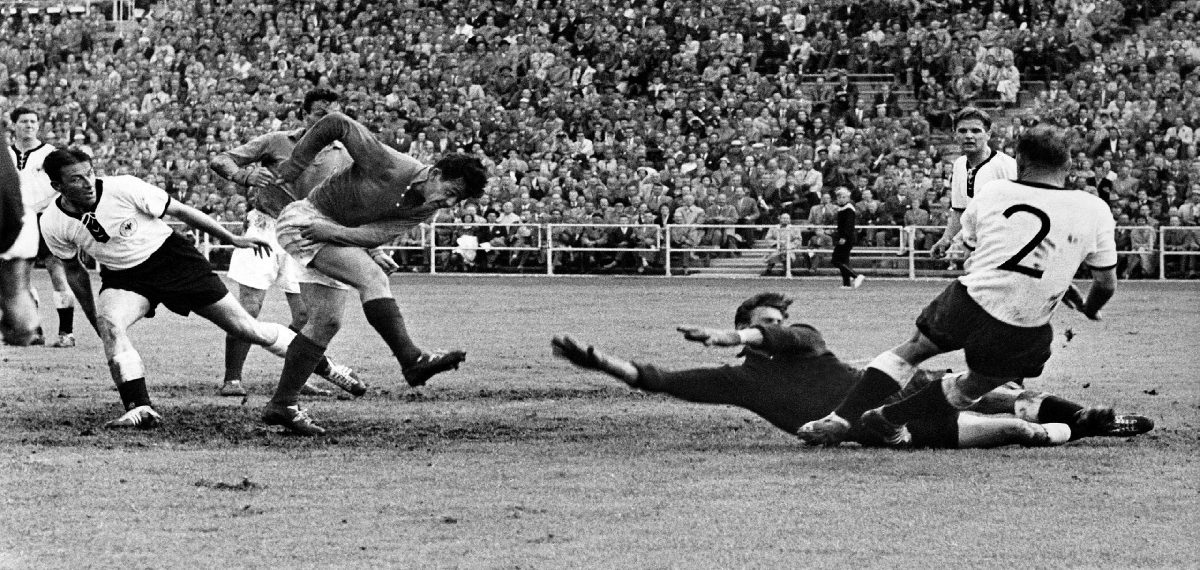
Fontaine reached the record after being drafted into the starting XI when René Bliard suffered an injury; he even borrowed boots from teammate Stéphane Bruey for the opening match because his own were damaged. France reached the semi-finals before losing 5-2 to Brazil, while Fontaine scored in every game and netted four in the third-place play-off against West Germany.
Fontaine had suffered a meniscus operation earlier in the season and arrived at the tournament relatively fresh, with only five caps for France prior to Sweden 1958. He played domestically for Reims — winning the 1957-58 league and cup double — and finished the following European Cup campaign as top scorer in 1958-59 with 10 goals.
Despite the achievement, no Golden Boot existed in 1958; instead he famously received an air rifle from a Swedish newspaper and decades later a FIFA platinum boot. Fontaine’s international record stands at 30 goals in 21 caps.
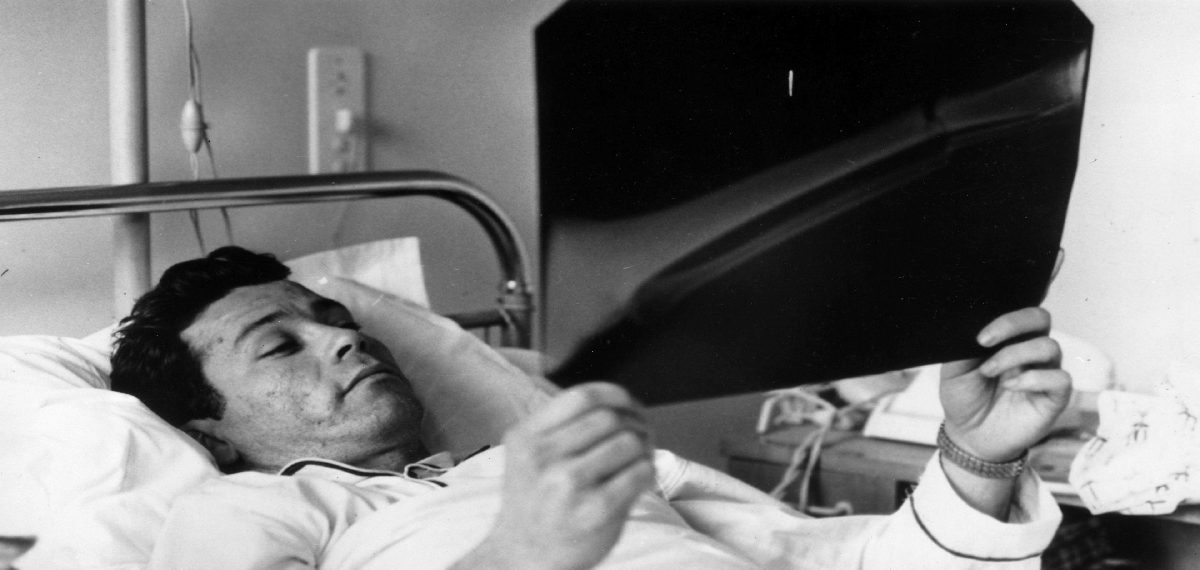
In March 1960 a broken leg in a French league game curtailed his career and led to retirement in 1962 at age 28; that injury prevented any return to World Cup competition and likely truncated what might have been an even greater international legacy.
Fontaine’s 13-goal mark is more than a trivia item: it highlights how tournament structure, era-specific playing styles and player welfare shape records. The 1958 World Cup produced high scores — 126 goals in a 16-team format — offering more attacking space and tactical openness than many modern tournaments. Today’s extended World Cups and advanced sports medicine increase match opportunities and longevity, yet Fontaine’s efficiency (13 goals in six games) underlines how singular peak performance can transcend structural advantages.
For modern stakeholders — federations, clubs and talent scouts — Fontaine’s story is a reminder that elite output often depends on timing, squad dynamics and chance (injury to a teammate, borrowed boots) as much as raw talent. For the broader public, it reframes debates about “greatest” lists by emphasizing context: records reflect both player ability and the footballing environment in which they were set.
After retirement Fontaine helped form the French players’ union UNFP and later coached, including a two-year spell with Morocco; he died on 1 March 2023 at 89, witnessing later French World Cup victories and the rise of forwards like Kylian Mbappé who have been measured against his benchmark.