04 Eylül 2026
az bulutlu


Indian farmers expand avocado cultivation to meet surging domestic demand, boosting production, incomes and supply-chain development across key growing regions.
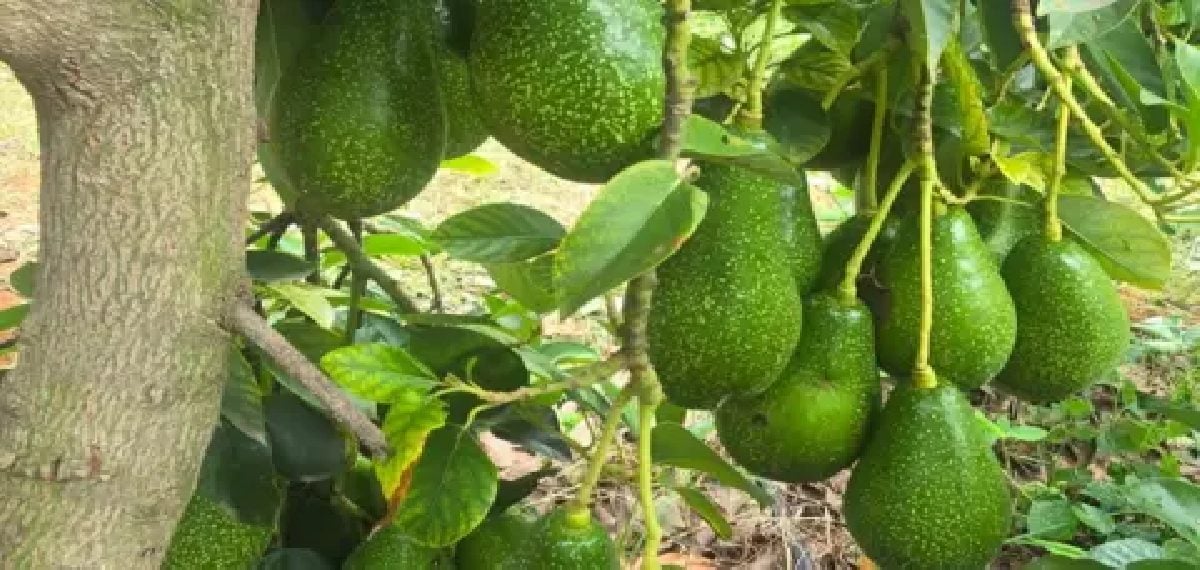
Avocado production in India is expanding as growers adopt commercial techniques to meet rising local demand and reduce reliance on imports, industry representatives and producers say. Cottanad Plantations in Wayanad, Kerala, has shifted avocado from a shade tree to a commercial crop, planting 40 acres and harvesting 10–15 tonnes last year, while aiming to increase yields through improved practices shared by foreign experts.
Sunil Bopaiah, group manager at Cottanad Plantations, said the crop gained prominence after a 2011 celebrity endorsement that pushed prices higher, prompting the company to change cultivation methods. The estate now uses raised beds, wider spacing and altered planting techniques to protect avocado roots from disease.
Market analysis by industry promoters indicates a supply gap: India imports about 15,000 tonnes of avocados annually while domestic production is around 8,000–9,000 tonnes, according to Manilal Palliyath, who promotes the avocado sector. He noted that diversification into avocado is attractive as some traditional plantation crops face climatic challenges.
Chefs in urban restaurants report growing use of avocado but often prefer imported varieties for consistency in flavour and ripening. Hussain Shahzad, executive chef at Hunger Inc. Hospitality in Mumbai, said imported fruit currently provides the size, texture and predictability needed, though restaurateurs remain open to sourcing improved local produce.
Nursery entrepreneurs and researchers are working to supply reliable planting material and cultivation know-how. Harshit Godha, founder of Indo-Israel Avocado Nursery in Bhopal, supplied about 18,000 international-variety saplings such as Hass and Pinkerton after training in Israel. He emphasized that commercial orchards require grafted trees, appropriate rootstock selection, specific pruning practices to control height, and correct planting ratios of complementary varieties for effective pollination.
IIHR-Bengaluru scientist Dr Ganeshan Karunakaran highlighted the need for standardised varieties, noting that backyard trees in India are genetically diverse and lead to inconsistent market quality. His breeding program has released two varieties developed from local trees to offer uniform high-yielding material, and he warned against unregulated nurseries selling unidentified or diseased plants that can cause later crop failures.
Growers who adopted commercial avocado cultivation report commercial success. Farmer Shiju Sebastian in Wayanad dedicated two acres to avocado eight years ago and is harvesting 3,500 kg this year, selling the entire crop in Bengaluru. He said farmers are willing to cultivate avocado but require technical guidance and assured market access.
The expansion of avocado farming in India reflects coordinated shifts in cultivation practices, nursery supply and market demand described in the report. Commercialisation involves adopting international varieties and orchard techniques, regulatory concerns about plant health from unverified nurseries, and an observable gap between domestic production and imports cited by industry promoters.