
03 Ekim 2026
parçalı az bulutlu


Co-pilot’s cockpit attack on Tel Aviv flight thwarted; captain praised for bravery after regaining control and ensuring passenger safety.
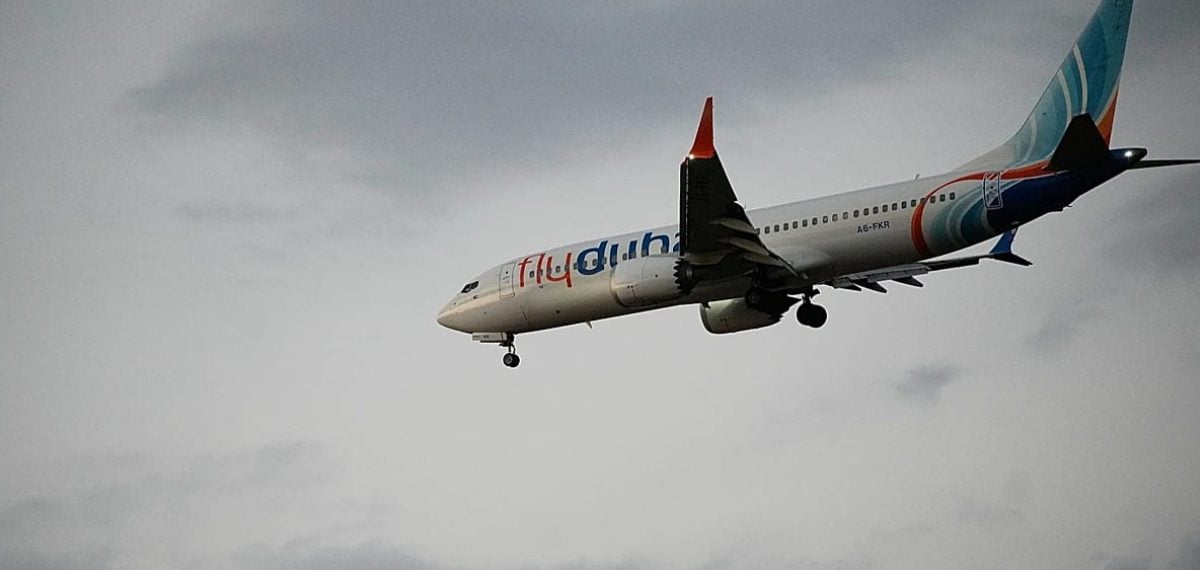
A FlyDubai flight bound for Tel Aviv experienced an in-flight attack when the co-pilot attempted to take control of the aircraft using a crash axe, according to the United Arab Emirates prosecutor general. The incident took place on Wednesday with 182 people on board and left the captain critically involved in regaining control and stabilising the plane.
Prosecutor general Hamad Saif al-Shamsi said the co-pilot attempted to carry out a terrorist attack and investigation efforts are ongoing to determine the circumstances, motives and related connections. Technical examinations and reviews of physical and digital evidence are continuing, the statement added.
The co-pilot has been identified as Hamam al-Hammami, an Omani national. Associated Press sources reported that Oman previously banned him from flying over concerns about radical ideological views and that he had later been hired by the UAE-based airline FlyDubai. Reports indicate he was born in the UAE and had worked for Oman Air before being removed from flying and reassigned to an administrative role.
Details about the co-pilot’s vetting when hired by FlyDubai were not immediately clear. Israeli authorities have arrangements with foreign carriers to restrict pilots who are citizens of countries without diplomatic ties, and security agencies from four regional countries are collaborating with assistance from the United States and Western governments to establish the co-pilot’s motives.
The FlyDubai captain, Smit Machchhar, an Indian national, said in a video from his hospital bed in Saudi Arabia that he used his remaining strength while being attacked to unlock the cockpit door so passengers and crew could enter, subdue the co-pilot and stabilise the aircraft. His actions were widely praised and he was called a global hero for saving those on board.
UAE presidential advisor Anwar Gargash publicly commended Smit Machchhar for his courage and professionalism, describing his conduct as embodying responsibility in the face of a dangerous terrorist act and potential disaster. The episode prompted widespread shock in the UAE pilots community and raised questions about aviation security in the region.
In the aftermath, the UAE cancelled all flights to Israel and Israel’s El Al airline cancelled its scheduled flights to the UAE. Israel and the UAE later agreed on repatriation flights to return affected passengers.
The incident highlights vulnerabilities in cockpit security procedures and raises urgent questions about pilot vetting and intergovernmental coordination on flight crew eligibility. The cross-border nature of the co-pilot’s background and the involvement of multiple regional and Western security agencies illustrate the complexity of assessing motives and potential links in such cases. The captain’s intervention averted a wider catastrophe, underscoring the critical role of crew training and immediate response protocols during onboard threats.