04 Ekim 2026
az bulutlu


Canadian leaders assess defense options and strategic responses as bilateral tensions rise, focusing on readiness, diplomacy and national security.
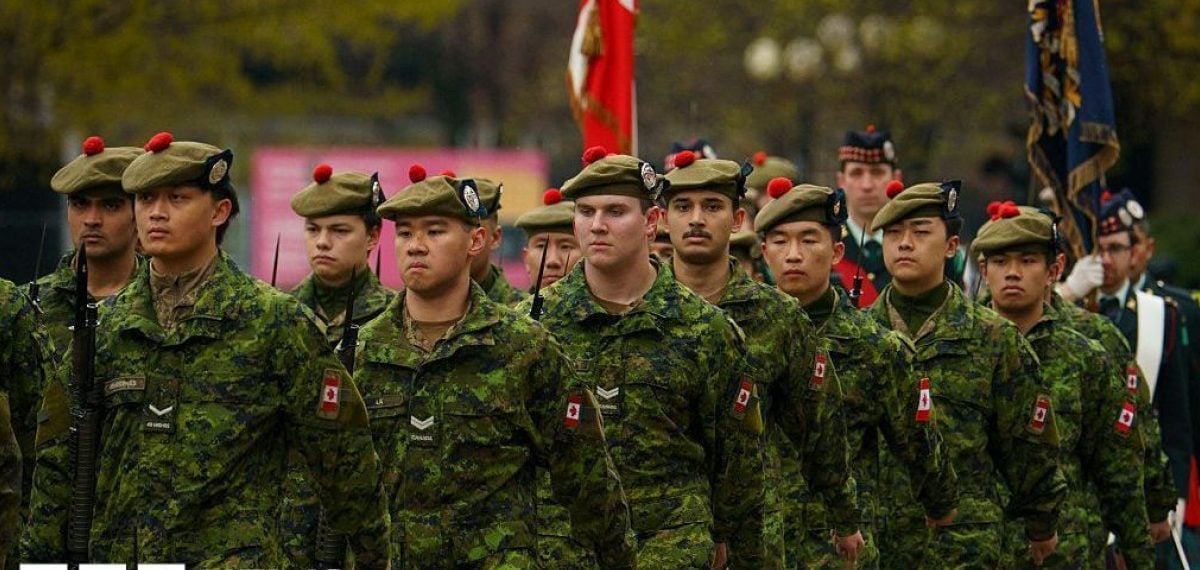
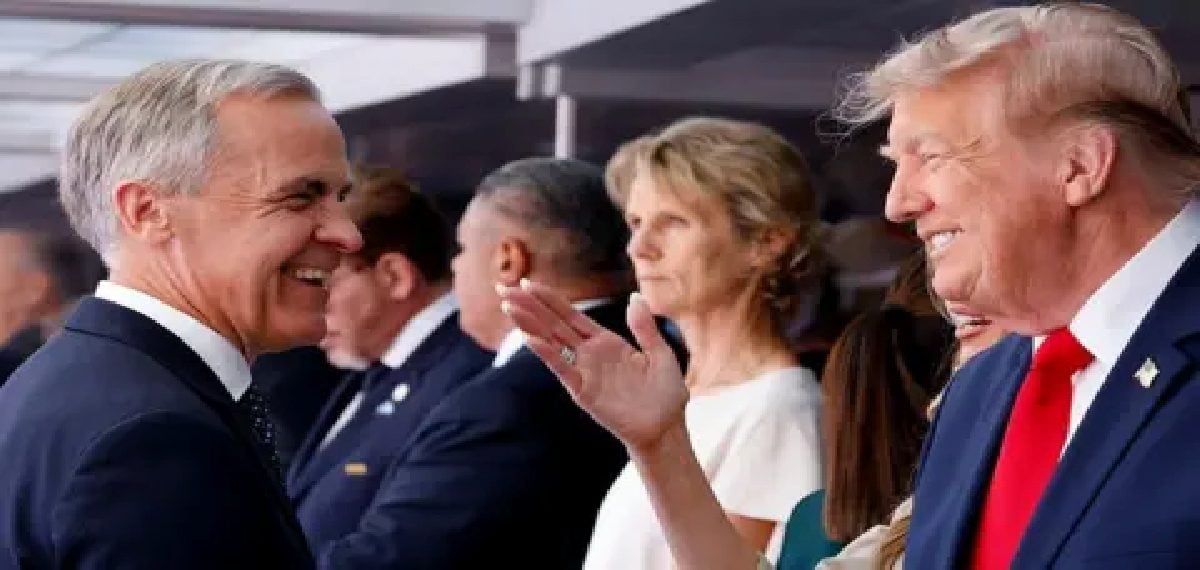
Prime Minister Mark Carney told the New York Times he has prepared for a once-unthinkable scenario of a US invasion, saying the risk was low but his responsibility required considering all possibilities as the US-Canada relationship is redefined under the Donald Trump presidency.
Carney framed the planning as risk management in response to US rhetoric on tariffs and repeated statements about making Canada the 51st state. The White House responded to the BBC by saying President Trump had done more than anyone to protect the great people of Canada.
Military experts cited by the BBC regarded an invasion as a long shot, noting decades of defence collaboration. Lt-Gen Christopher Coates, a former Royal Canadian Air Force officer, said Canada and the US are both NATO members and partners in NORAD with frequent intelligence sharing, and that an attack, if it occurred, might begin with discreet methods such as cyberwarfare rather than a direct armed assault.
Public concern has risen following the US capture of Nicolás Maduro in Venezuela in January, with a Leger poll showing over 30% of Canadians believed a US invasion was likely.
Historical context underscores earlier tensions between the countries. Tim Foran of the Canadian War Museum recalled Canada’s foundational resistance to US expansionism in the 18th and 19th centuries, noting past US attempts to seize Montreal in 1775 and repeated invasions during the War of 1812. Andrew Burtch of the Canadian War Museum described post‑World War I Canadian planning that included secret reconnaissance of border infrastructure as part of broader military preparedness.
Recent modelling reported by the Globe and Mail outlined a theoretical US attack scenario in which Canadian strategic positions could be overwhelmed within a week, forcing Canadian forces to resort to guerrilla‑style tactics. The modelling reportedly prompted calls for a significant increase in Canada’s military capacity, including proposals to add up to 300,000 lightly trained citizen soldiers.
Analysts noted practical and moral constraints on any US decision to invade. Matthew Schmidt of the University of New Haven suggested many American officers would view such an order as illegal and immoral and might resign. Schmidt added that a US operation would likely target Canadian resources and seek political decapitation, drawing parallels to recent US action in Venezuela.
The statements and planning described reflect heightened Canadian concern about the reliability of long standing defence partnerships amid shifting US policy tones. Official risk management practices have extended to scenarios once seen as unimaginable, prompting reassessments of contingency planning, force structure and allied support mechanisms. Public unease, historical memory of past conflicts, and theoretical modelling together have pushed Canadian defence debate toward more expansive preparedness despite the prevailing view among experts that a US invasion remains unlikely.