18 Ağustos 2026
açık


Canada scrambles to head off fresh U.S. tariffs as high‑level talks accelerate, aiming to protect trade ties and avert economic fallout.
Intense negotiations in Washington aim to prevent new 50% U.S. tariffs on about $20bn (C$28bn) of Canadian imports that are scheduled to take effect within 48 hours, Canadian officials said as talks continued late Monday.
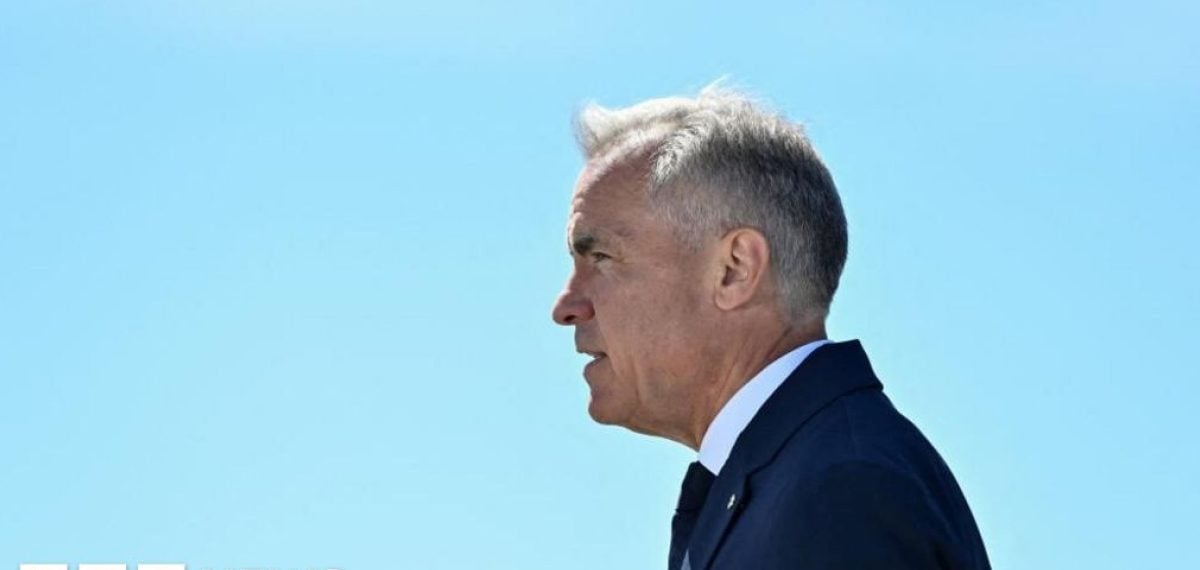
Canadian negotiators have been in Washington for a week, holding multiple meetings with U.S. Trade Representative Jamieson Greer while Prime Minister Mark Carney kept details private, describing the discussions as “very delicate and intense.” Carney said Canada is negotiating from a “position of strength” and planned to speak with President Trump before the Wednesday deadline.
Trade Minister Dominic LeBlanc said the work is not complete after leaving Greer’s office, and both sides acknowledged the talks have been difficult. The U.S. has threatened tougher measures if an agreement is not reached.
The U.S. requests include removing Canada’s remaining retaliatory tariffs on American autos, adjustments to dairy quotas, and lifting provincial bans on U.S. alcohol sales imposed last year in retaliation for earlier U.S. tariffs. Any change to alcohol bans would require provincial agreement, and Ontario Premier Doug Ford linked such a concession to other trade gains.
Canada is seeking the U.S. to drop or reduce tariffs affecting steel, aluminum, automobiles and lumber, sectors that Ottawa says have been harmed by U.S. measures. Carney stated he would not sign a deal unless it is good for Canada, without specifying the exact terms.
Quebec’s premier, Christine Fréchette, has insisted that supply management for dairy is non‑negotiable, and Conservative trade critic Shuvaloy Majumdar urged a meaningful relief from economic anxiety while expecting a genuine win at the negotiating table.
Public opinion appears divided: an Abacus Data poll cited by officials shows 74% of Canadians feel the dispute has affected their household, 36% favour new counter‑tariffs despite possible domestic pain, and only 18% support concessions such as ending provincial bans on American alcohol to reduce U.S. tariffs.
Negotiations in Washington are at a critical final stage with a narrow deadline for avoiding new U.S. tariffs on roughly 5% of Canadian imports. Key sticking points include auto retaliatory tariffs, dairy quota rules, and provincial alcohol bans. Ottawa seeks tariff relief across steel, aluminum, autos and lumber while provinces and public opinion constrain possible concessions.