13 Kasım 2026
açık


Professional coverage: Brooklyn building collapse kills multiple, dozens rescued; emergency response and investigations underway.

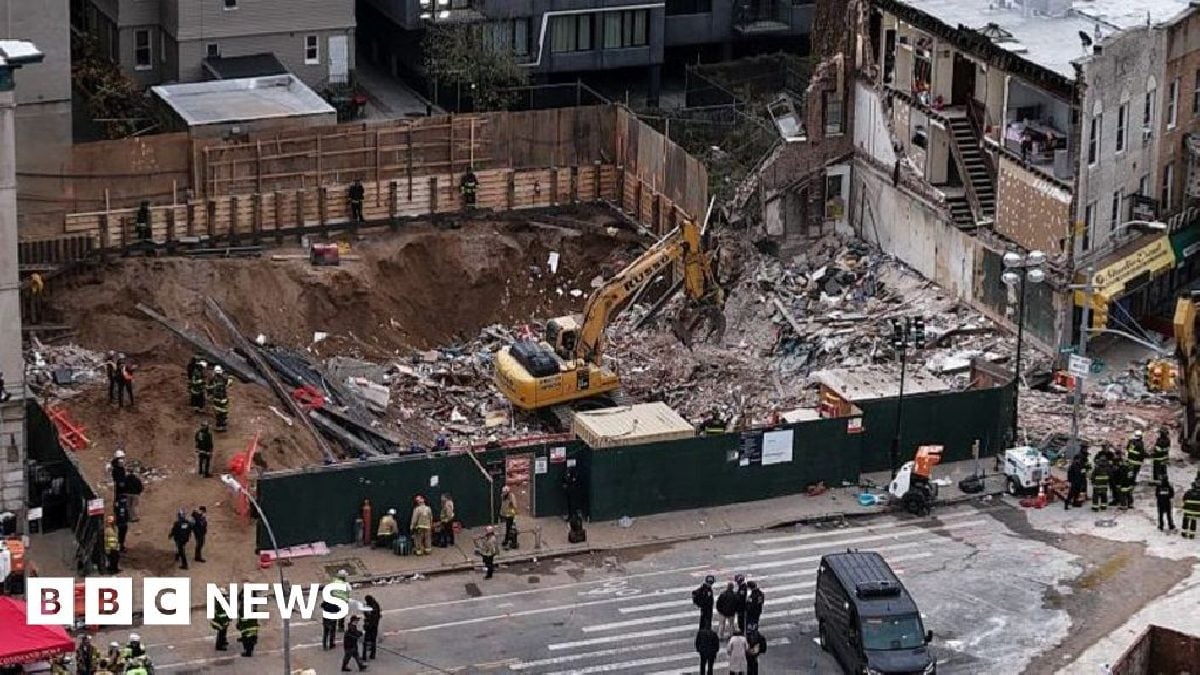
A three-storey building collapsed on the edge of a construction site in Brooklyn on Wednesday afternoon, killing at least two people and leaving others trapped in the rubble.
About 250 firefighters and police officers worked at the scene, using pickaxes and saws to free people covered in dust beneath twisted wood and brick. Officials said at a press conference that at least 17 people had been hospitalised, four of them in critical condition, and that search and rescue operations would continue into the night.
The New York City Buildings Commissioner Ahmed Tigani said the building fell when construction workers were digging an empty lot next door for a new building. The cause of the collapse remains under investigation.
The collapsed structure, which contained apartments above ground-level businesses, was reduced to a mound of debris at the bottom of a construction pit. A neighbouring building that shared a wall was left standing but suffered extensive exterior damage that exposed interior rooms and belongings.
Firefighters pulled survivors from the rubble, including a woman rescued after crews dug a hole through debris, and seven children were among those removed as operations progressed. FDNY Commissioner Lillian Bonsignore described the rescue work as dangerous and perilous, with teams digging by hand and employing drones to support efforts.
One firefighter sustained minor injuries. Resident Anderson Velez recounted that his wife called him while inside the collapsed building saying their two children, aged 2 and 7, were trapped; he later learned his family had been rescued alive.
The collapse highlights the hazards posed when active excavation occurs adjacent to occupied buildings and the complex, high-risk nature of urban search and rescue operations. Emergency responders mobilised substantial resources quickly, prioritising hand excavation and careful choreography of each move to mitigate further harm while extracting survivors from unstable wreckage. Ongoing hospitalisations and the presence of critically injured people underline both the immediate human toll and the continuing need for thorough investigation into construction activities that preceded the collapse.