30 Kasım 2026
sisli


Pakistan deploys troops amid Saudi Arabia’s renewed Houthi strikes, signaling regional security concerns and escalating military cooperation.
The Saudi-led coalition reported that its air defence systems intercepted multiple missiles between Saturday and Sunday as Yemen’s Houthi rebels claimed five attacks targeting King Khalid International Airport and several energy and military sites across Saudi Arabia. Saudi authorities issued emergency phone alerts urging residents to seek shelter in affected areas, and the coalition stated debris from intercepted missiles fell in southern Saudi Arabia without causing civilian injuries.
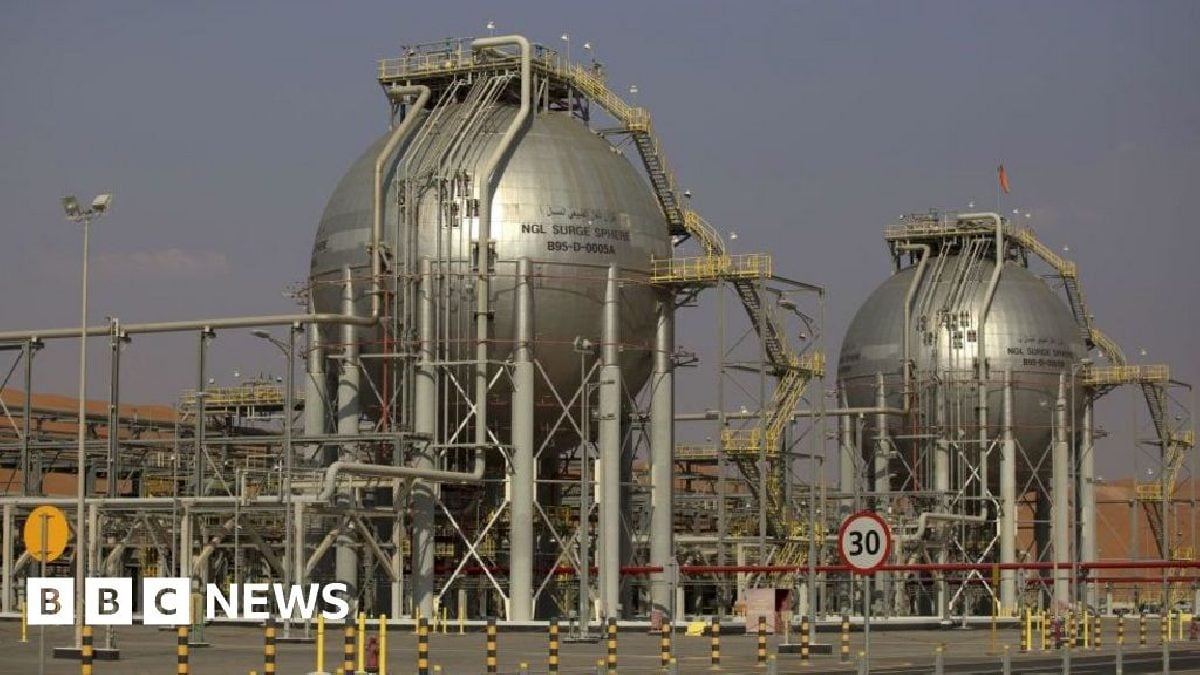
The Houthis claimed strikes on Saudi Arabia’s defence, transport and energy infrastructure, including King Khalid International Airport in Riyadh, radar installations in Abha and Khamis Mushait, Saudi Aramco’s Jazan refinery, the Hawiyah gas plant, and the Al-Shuqaiq and Jazan southern power stations. Videos posted on social media by locals showed smoke and fire near some energy targets, though the full extent of the attacks has not been independently verified.
Saudi Aramco’s Jazan refinery was struck on Thursday, resulting in the death of a Nepalese worker and injuries to several others, and some operations were temporarily disrupted. The Saudi-led coalition said a ballistic missile fired toward Al-Shuqaiq power station was intercepted.
The coalition announced it conducted a military response operation to destroy assets used by the Houthis to launch attacks on Saudi Arabia and Yemen and to threaten maritime navigation in the Red Sea and Bab el-Mandeb. The coalition spokesperson said it will respond immediately to any further attacks in accordance with international humanitarian law.
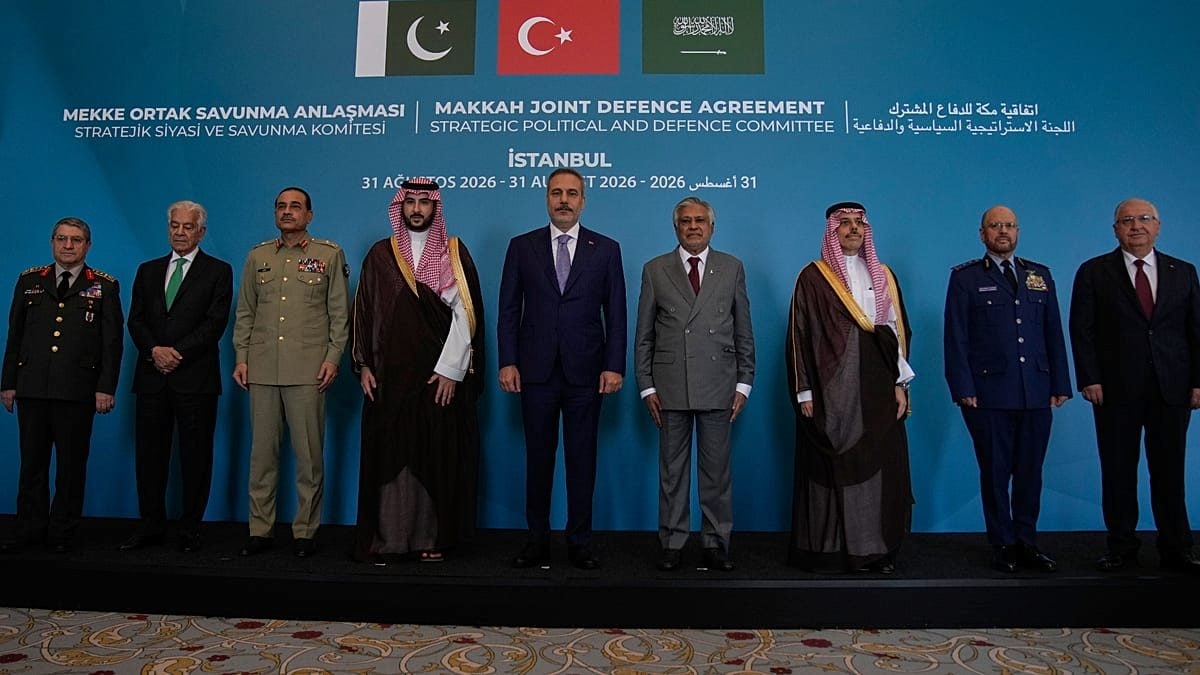
In a significant regional development, Pakistan announced it is deploying troops to strengthen Saudi Arabia’s defences under the Mecca mutual defence pact. Pakistan’s army stated the deployment reflects its commitment to the security, sovereignty and territorial integrity of the Kingdom of Saudi Arabia and to protecting the sanctity of Haramain Sharifain. Islamabad held a send-off ceremony for the forces and indicated the troops will operate within Saudi territory under existing defence cooperation arrangements, without disclosing troop numbers, duties, timing or duration.
Pakistan’s decision followed a trilateral meeting between Pakistan, Saudi Arabia and Turkey in Islamabad where the three countries condemned the Houthi attacks and reaffirmed collective defence commitments under the Mecca Joint Defence Agreement signed on 7 August. Pakistan has also been collaborating with Qatar to help broker peace talks between Washington and Tehran. The announcement came after Egypt said it would provide military support to Saudi Arabia, reportedly deploying air defence systems and aircraft for defensive purposes without providing ground troops in Yemen.
Mohamed Ali al-Houthi, member of the Supreme Political Council, criticized Pakistan and Turkey for joining Riyadh in the Mecca Joint Defence Agreement, asserting that past coalitions against the Houthis ended in failure and predicting similar outcomes for any future coalition. Saudi Arabia, a major US ally, has faced increasing pressure since the Iran war erupted in February, and it has been strengthening regional defence ties with Turkey, Pakistan, Egypt and Syria amid ongoing Houthi missile and drone strikes.
The Houthis control Yemen’s most populous areas, including Sanaa, and fighting escalated this summer between Houthi rebels and the Saudi-backed Yemeni government. The rebels have launched attacks on Saudi Arabia and imposed a blockade on shipping, actions that have been framed as an extension of the US-Iran conflict. Recent Houthi advances included capturing Yemen’s Red Sea coast from pro-government forces and the closure of a key Saudi pipeline, moves that affected Saudi oil exports and contributed to rising global fuel prices while increasing Iran’s leverage.
The intensified Houthi attacks and Saudi-led coalition interceptions underscore a widening regional security confrontation that has prompted Saudi Arabia to deepen defence cooperation with regional partners. Pakistan’s troop deployment under the Mecca Joint Defence Agreement represents a notable shift in regional military support for the kingdom, while Egypt’s reported provision of air defence systems and aircraft adds further defensive capacity. The Houthis’ targeted strikes on energy and military infrastructure, combined with their control of strategic Red Sea coastline, have heightened risks to Saudi critical infrastructure and maritime navigation. The coalition’s declared military response operations signal an escalation aimed at degrading Houthi capabilities and deterring future assaults.