22 Kasım 2026
parçalı bulutlu


Bitcoin dips under $57K as liquidations surge and real yields climb, adding pressure to crypto markets and traders’ positions.
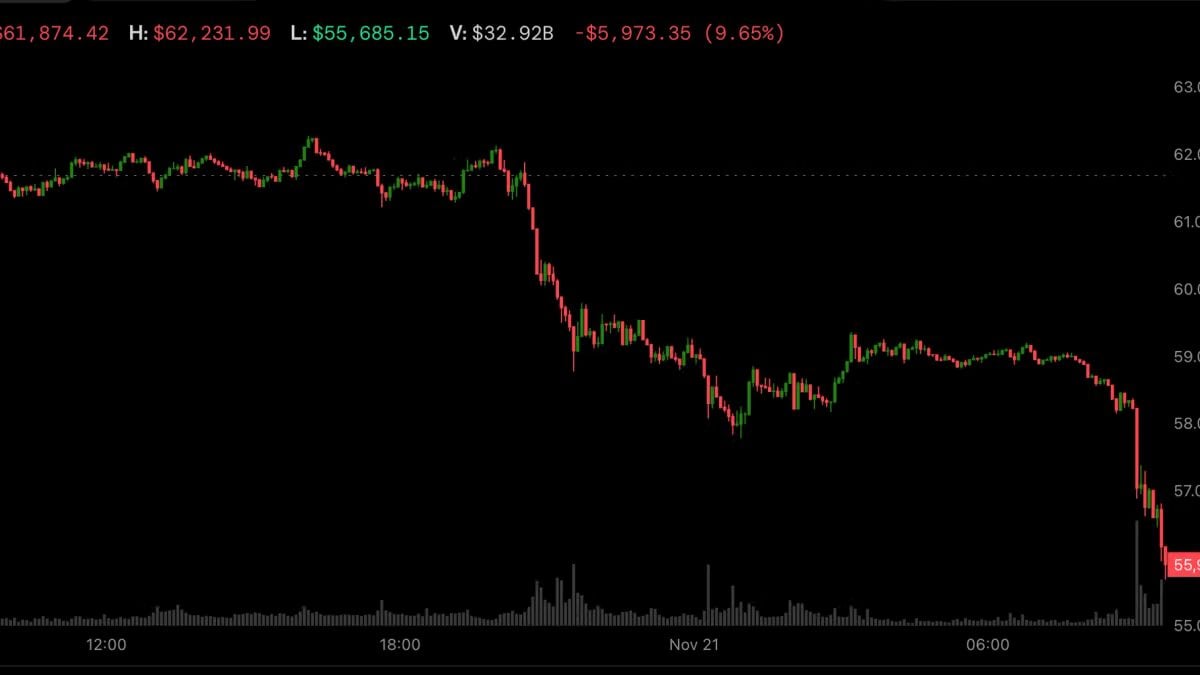
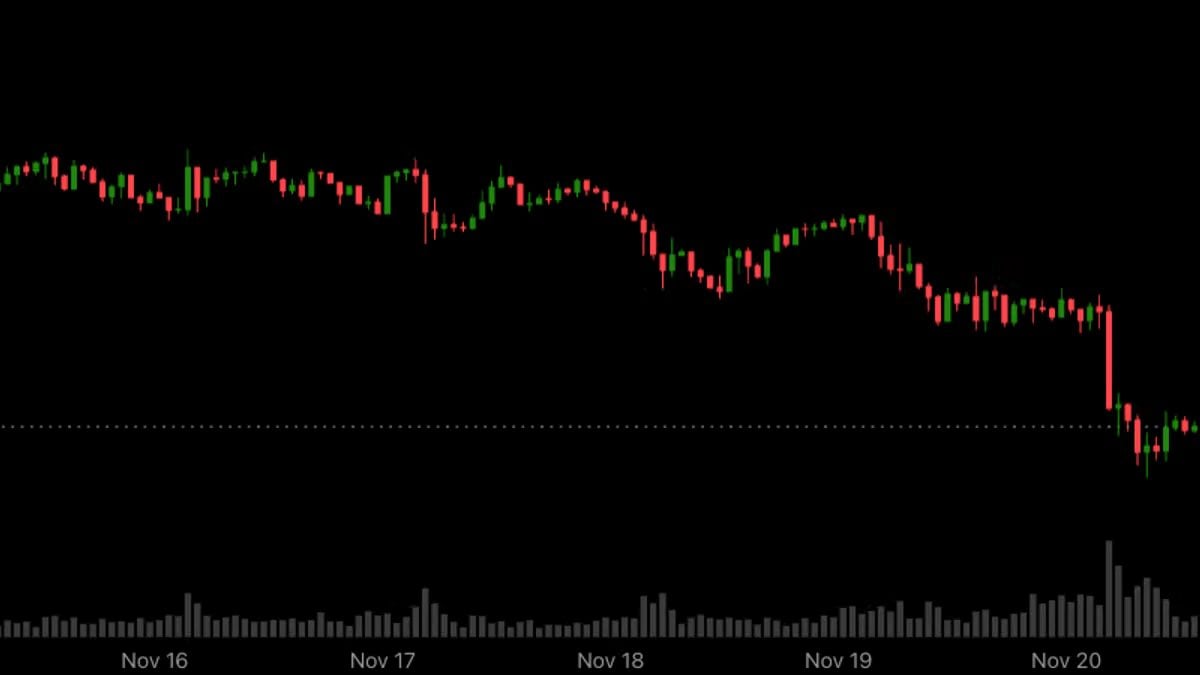
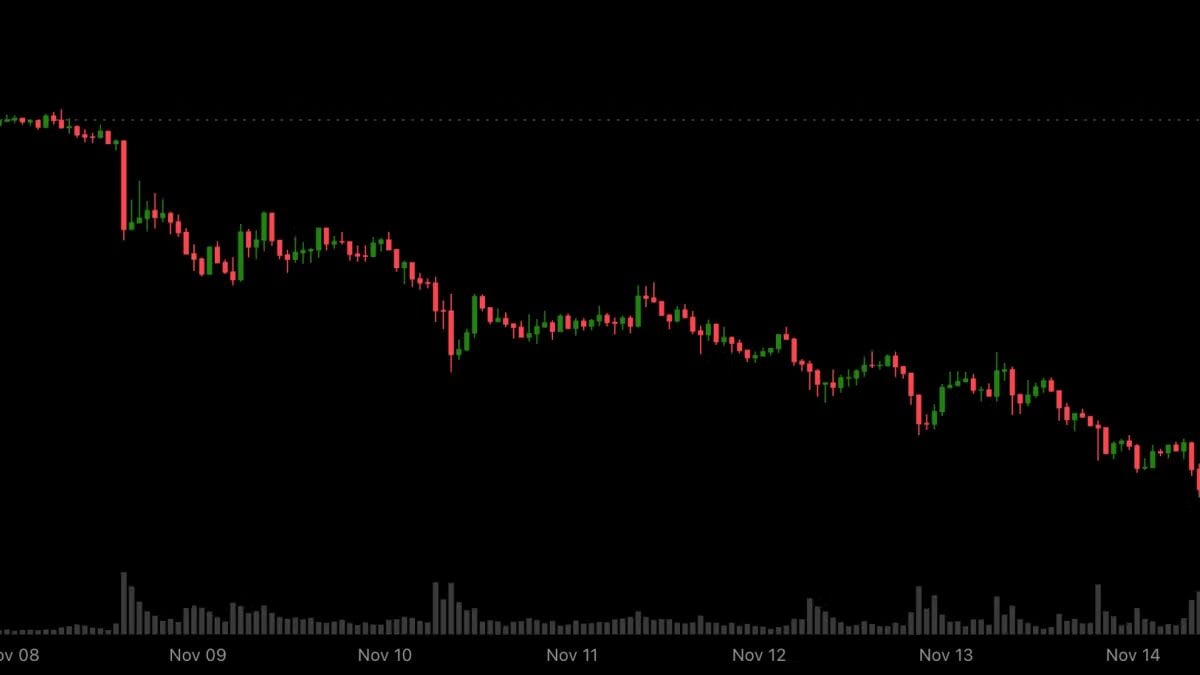
Bitcoin plunged under $57,000 on Friday, marking its weakest point since September 2024 and extending losses across risk assets. The cryptocurrency’s retreat continues a harsh downturn that began after an October peak above $126,000 last year, with prices having slipped below $58,000 in June before a brief rebound in September.
Optimism that a sustained recovery had started — after BTC briefly climbed above its 50-week simple moving average — has faded. Bitcoin is now down roughly 28% for the quarter and has returned to price levels not seen in over two years.
The sell-off has not been limited to crypto. Tech shares, gold, copper and Asian equity markets all suffered this week. The Nasdaq dropped more than 4% on Friday to its lowest since April, while gold fell to its weakest level since September 2025.
Analysts pointed to rising real U.S. Treasury yields as a central catalyst. When real yields climb, the relative appeal of safe government bonds increases, reducing demand for non-yielding assets like Bitcoin and gold. That dynamic has weighed on instruments that rely on risk appetite and abundant liquidity.
With the Federal Reserve signaling a more hawkish trajectory, investors are reassessing valuations for growth-oriented and long-duration assets — including crypto. The shift in expectations around interest rates and returns has pressured prices across sectors that previously benefited from low-rate conditions.
The sharp downturn inflicted heavy losses on leveraged traders. Data from Coinglass show exchanges — both centralized and decentralized — liquidated about $2.40 billion in crypto futures positions over the past 24 hours. Bitcoin futures represented more than $1 billion of that total, while Ether futures accounted for roughly $545 million.
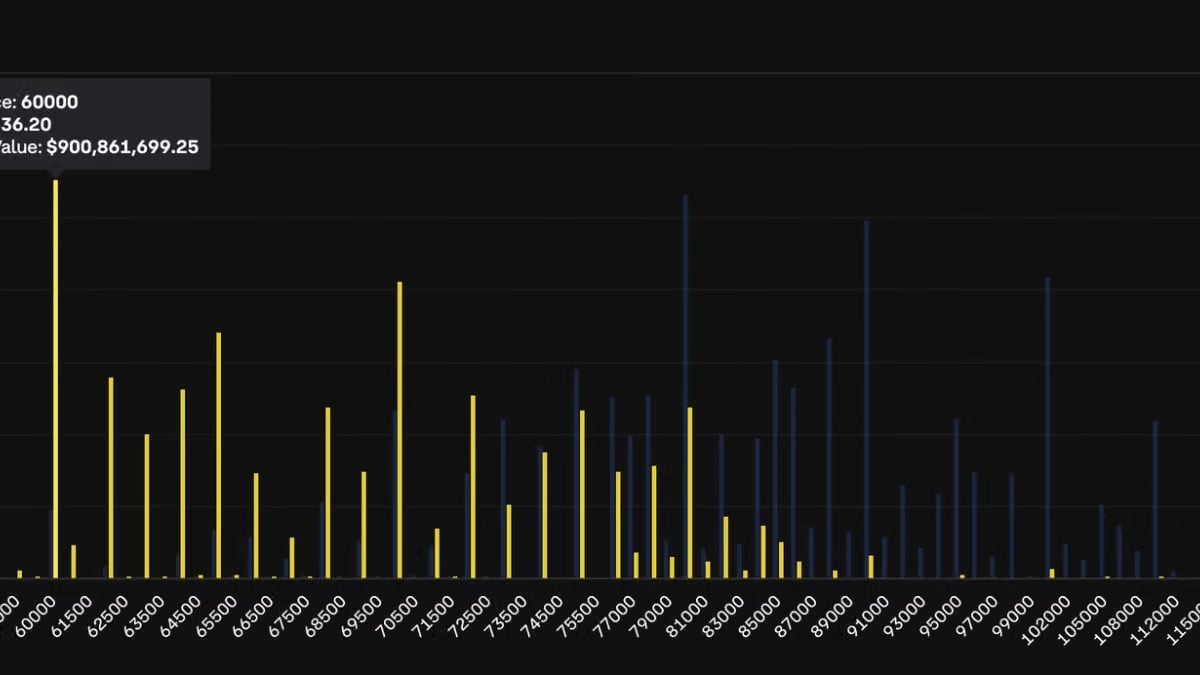
The single largest liquidation recorded was a $51.71 million long Bitcoin position. The magnitude of these forced closures highlights how heavily skewed leverage had been toward bullish bets: many participants were positioned for continued upside and were unprepared for a breakdown below $60,000.
Liquidations occur when exchanges close leveraged positions that lack sufficient collateral. In falling markets this can create a cascade effect: price drops wipe out long positions, triggering sales that further depress prices and force additional liquidations.
04:16 UTC: Adds liquidations