06 Temmuz 2026
açık


Explore Estadio Azteca’s World Cup legacy, iconic moments, and why its enduring home advantage shapes football history and competitive spirit.

What happened, where, who announced it, when and the main result: The Estadio Azteca in Mexico City has been reaffirmed as one of football’s most significant stages, celebrated for hosting defining World Cup moments and for the competitive advantage it gives Mexico, as highlighted through historical records and expert commentary in contemporary reviews of the stadium’s history.
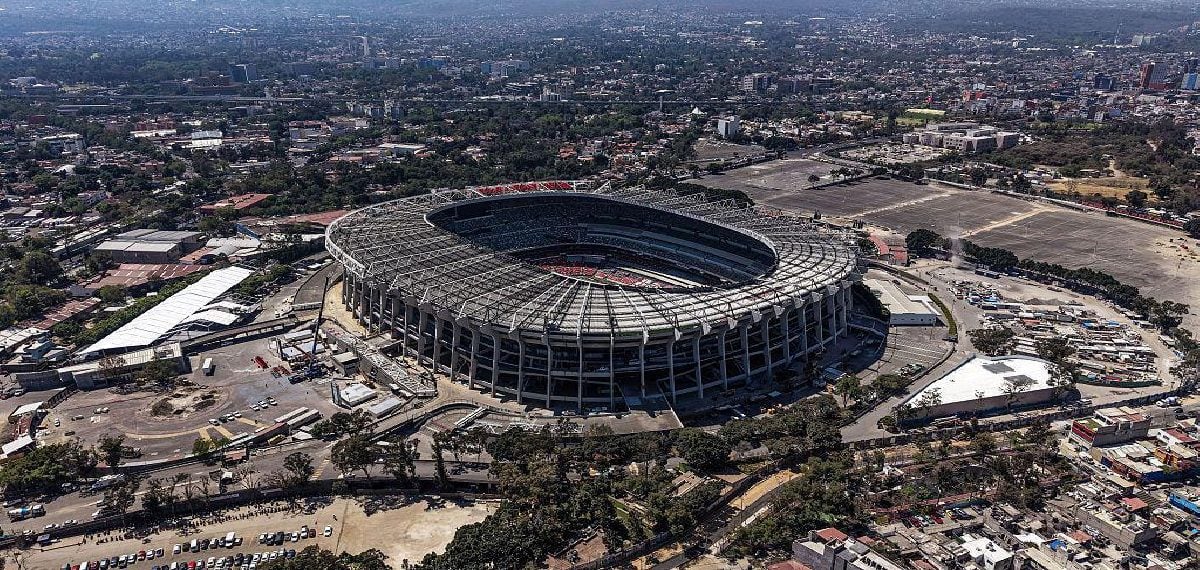
The Azteca sits in south Mexico City and has hosted World Cup matches in 1970 and 1986, earning renown for decisive moments by players such as Pelé and Diego Maradona. The stadium’s design and passionate crowds are repeatedly cited by architects and former players as central to its atmosphere.
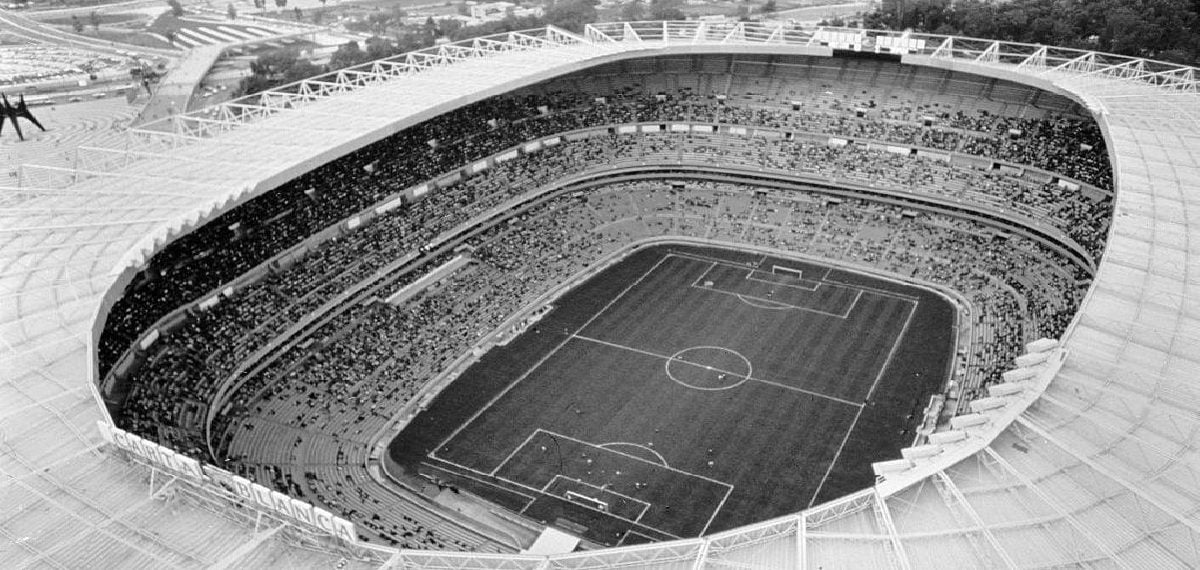
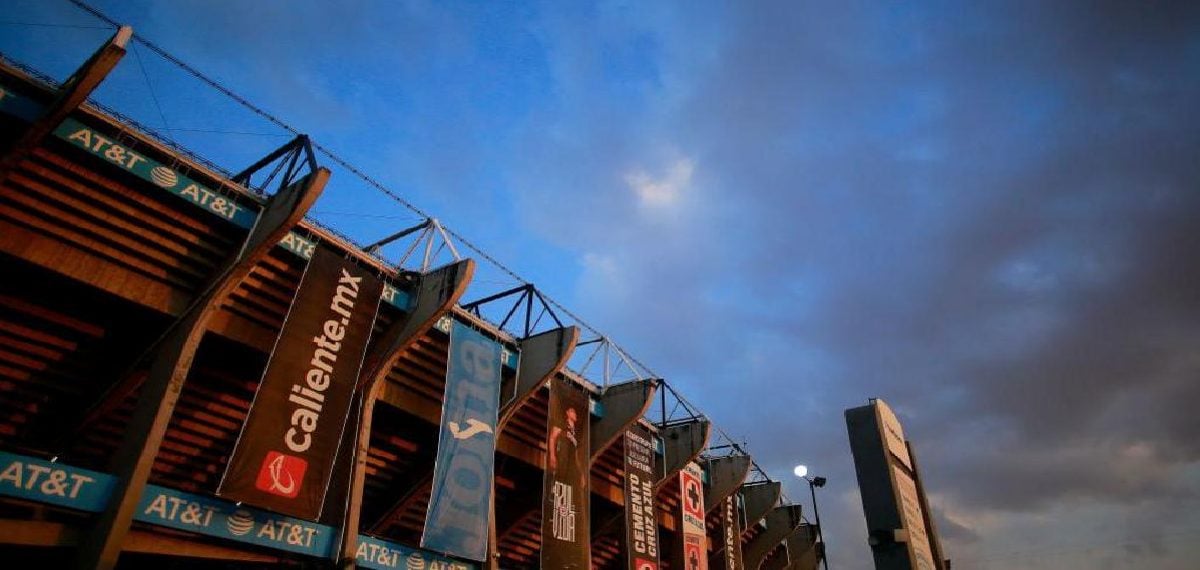
Architect Pedro Ramírez Vázquez designed the venue to hold more than 100,000 spectators and to offer unobstructed views through a pioneering cantilevered roof and steep stands. The site required removal of 180 million kilos of rock during construction, and the roof was added a year after opening with funds partly from early ticket sales.
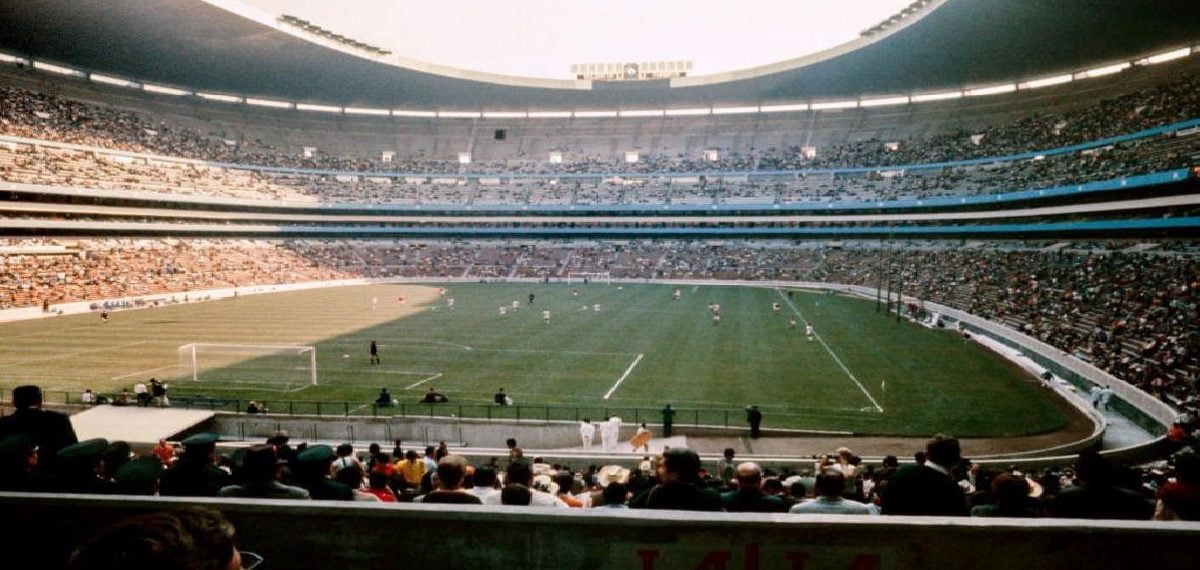
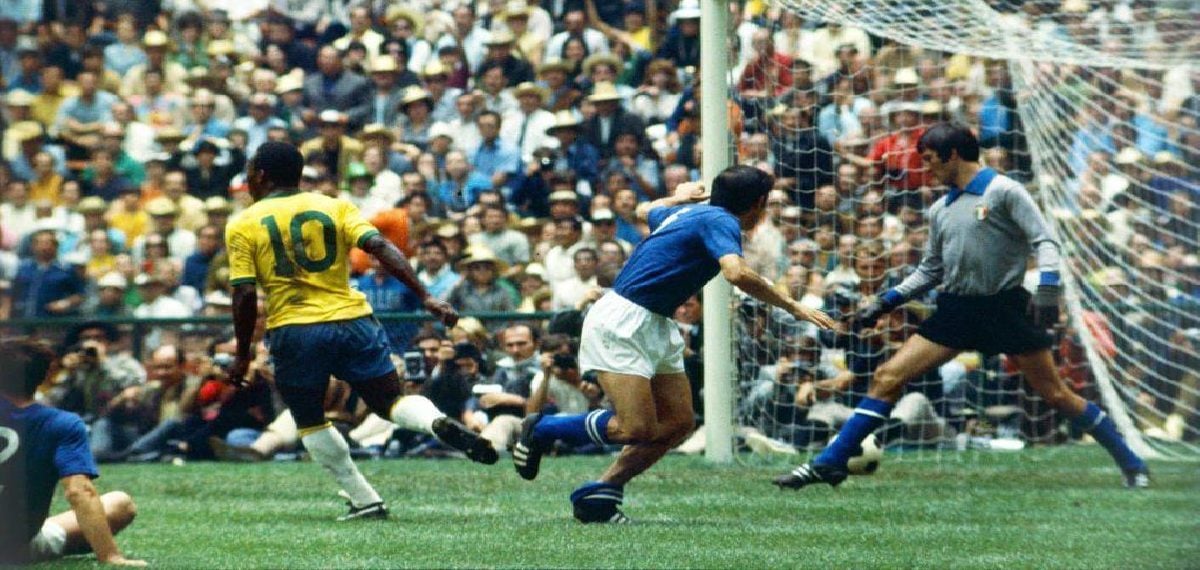
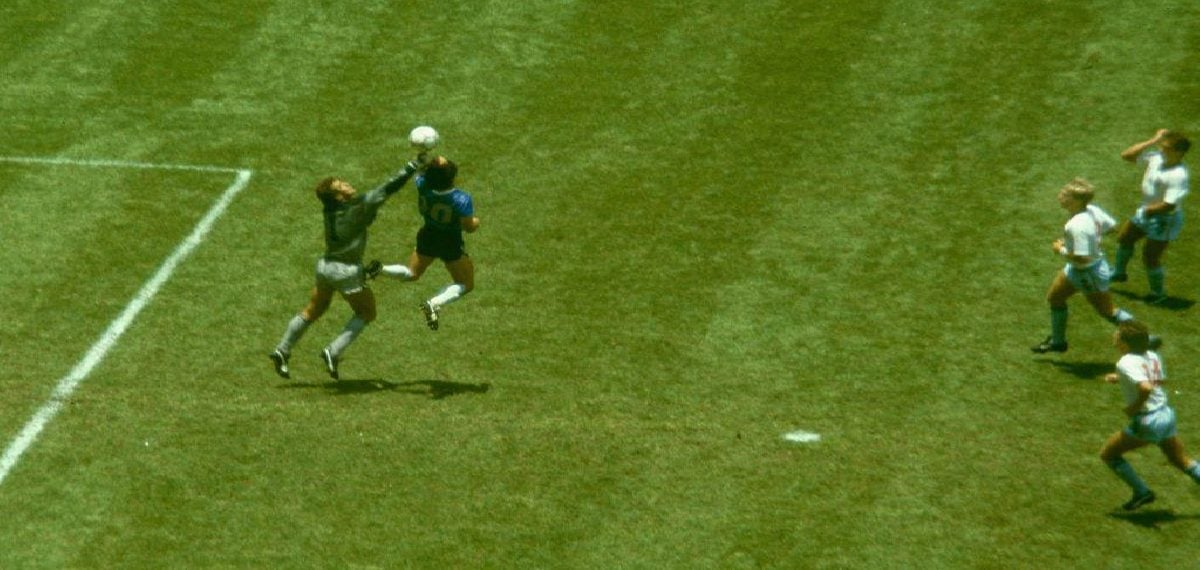
The Azteca first hosted an international tournament during the 1968 Olympics and later staged the 1970 World Cup final, where Pelé’s Brazil defeated Italy 4-1, including Carlos Alberto’s celebrated team goal. The 1986 tournament again spotlighted the stadium when Maradona produced two of the most famous World Cup goals against England: the “hand of God” and his solo run later described as a defining match of his career.
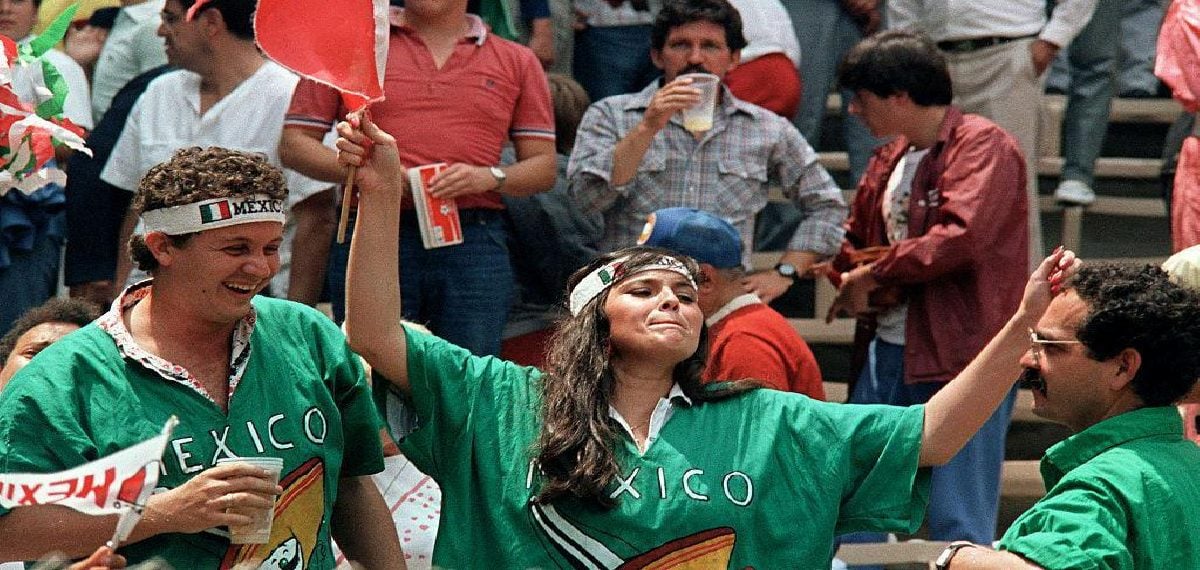
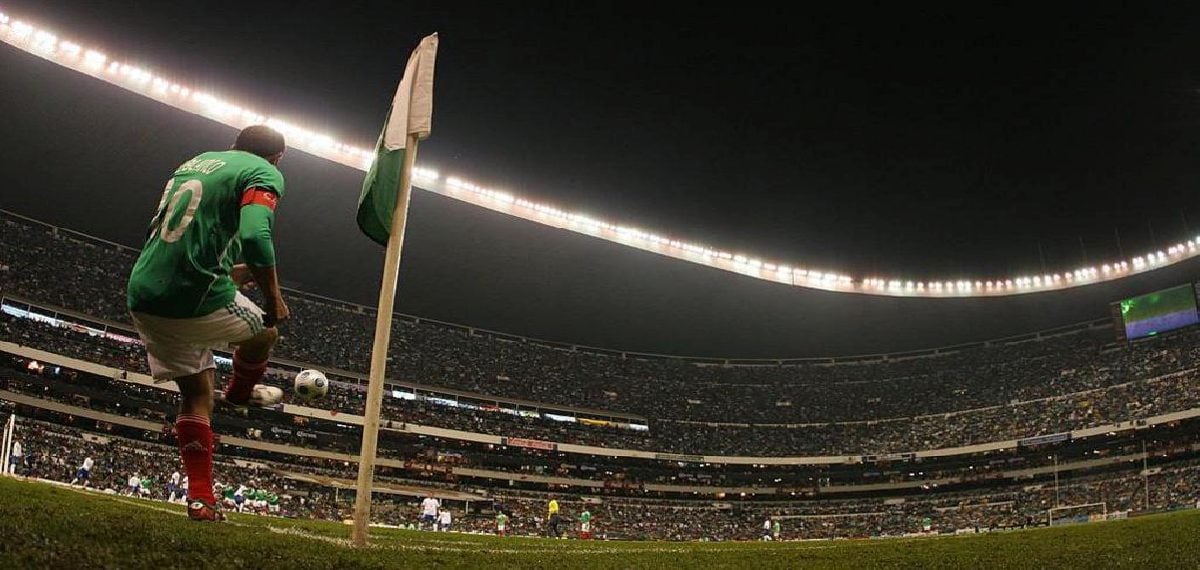
Players and coaches describe the venue’s acoustic intensity and tunnel entrance as unique. Jason de Vos recalled that teams face a buzzing sound approaching the pitch and that communication on the field is often impeded by the stadium’s roar, which Mexico exploits as a home advantage.
Mexico’s competitive record at the Azteca underlines that advantage: since 1966 the national team has won 70 of 89 competitive matches there, drawing 17 and losing twice. The rare 2001 defeat by Costa Rica, dubbed the ‘Aztecazo’, remains a notable upset in the stadium’s history.
Altitude also plays a role. Located over 2,200 metres above sea level, the thinner air reduces oxygen uptake and can tire visiting players, particularly midfielders who cover large distances. Sports scientists quoted in reviews note that acclimatised teams gain both physiological and psychological benefits at this elevation.
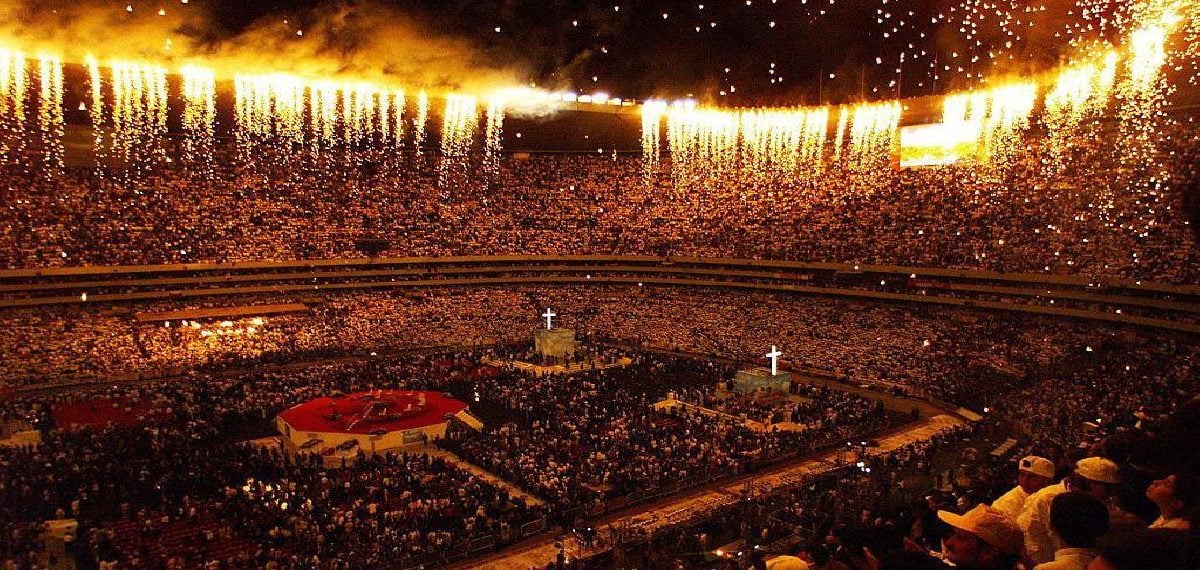
Beyond football, the Azteca has hosted major non-sporting events, including a 1993 boxing crowd of 132,274 for Julio Cesar Chavez, Michael Jackson’s five-night concerts the same year, and a 1999 mass led by Pope John Paul II attended by more than 110,000 people. Such events illustrate the stadium’s capacity to stage mass gatherings across sports, music and religion.
The stadium’s architectural intent to immerse every spectator remains evident: steep stands, proximity to the pitch and enclosed sightlines continue to produce a sense of enclosure and collective energy. Commentators argue these features amplify both athletic feats achieved there and the intensity of the crowd.
Current capacity stands at around 87,500 after successive refurbishments, but the Azteca’s historical significance endures as the only stadium to host World Cup matches in multiple editions and as the setting for some of the game’s most iconic moments.