04 Ekim 2026
az bulutlu


Bosnia’s general election introduces electronic voting amid escalating ethnic tensions, raising concerns over security, legitimacy and political stability.
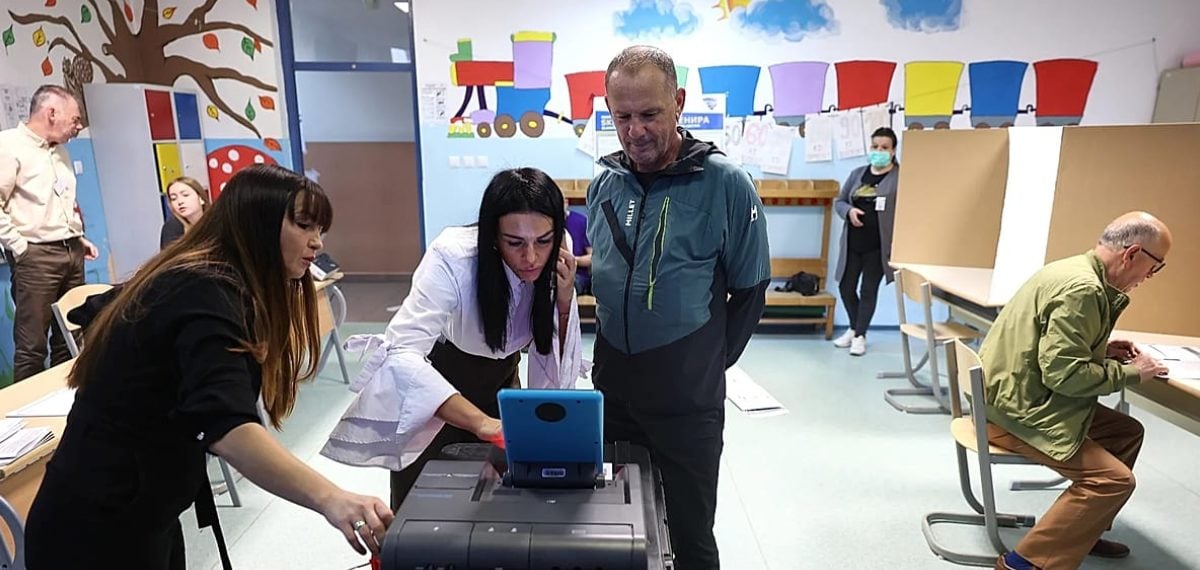
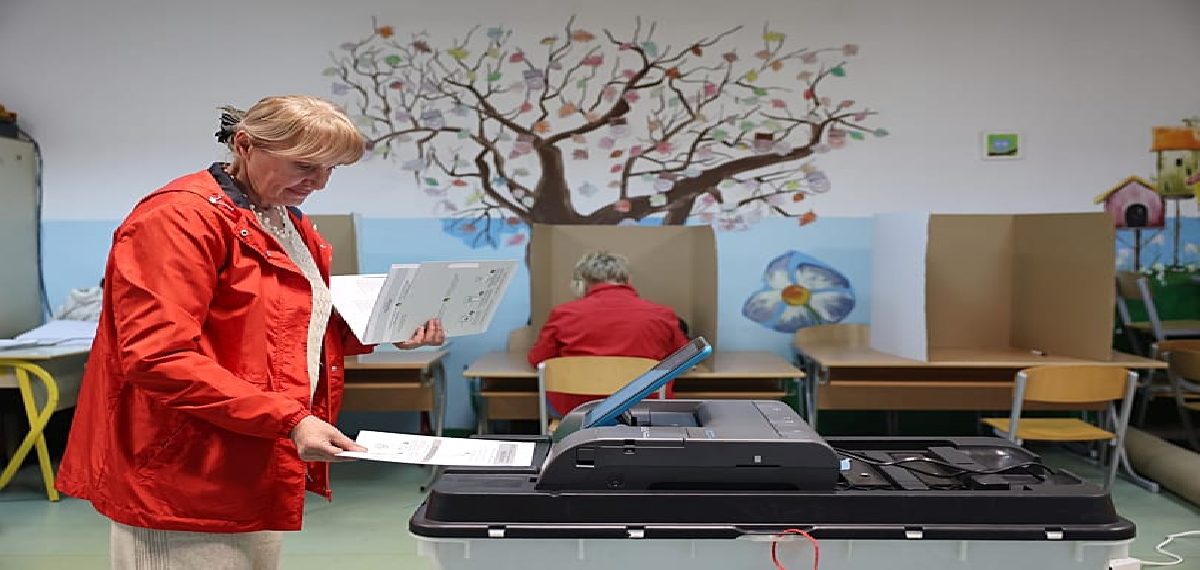
General elections opened Sunday in Bosnia and Herzegovina where about 3.4 million registered voters cast ballots to elect the three members of the multi-ethnic presidency, national lawmakers and leaders of the country’s two entities, the Federation of Bosnia and Herzegovina and Republika Srpska. Polling was affected at some locations by delays linked to newly introduced electronic voter identification and ballot scanning systems, with polls scheduled to close at 7 pm local time.
The institutional framework established by the 1995 peace accord continues to structure political competition along ethnic lines among Bosniaks, Serbs and Croats. Authorities introduced the electronic measures to address past concerns about irregularities and organised manipulation, marking the first nationwide use of electronic voter identification and ballot scanning in an effort to strengthen election security.
Most of the 75 parties contesting the vote are organised on ethnic bases. The Party of Democratic Action campaigned on preserving Bosnia’s unity against separatism, while many Bosnian Croats supported ethnic parties including the local branch of the Croatian Democratic Union. Bakir Izetbegovic, who lost to Denis Becirovic in 2022, is seeking a third term as president of the centre-right SDA.
Voters expressed disillusionment with everyday problems such as low living standards and youth emigration, while some politicians emphasised wartime-era divisions rather than addressing socio-economic concerns. Many citizens described frustration that political elites enjoy comfortable lives while broader conditions remain unchanged.
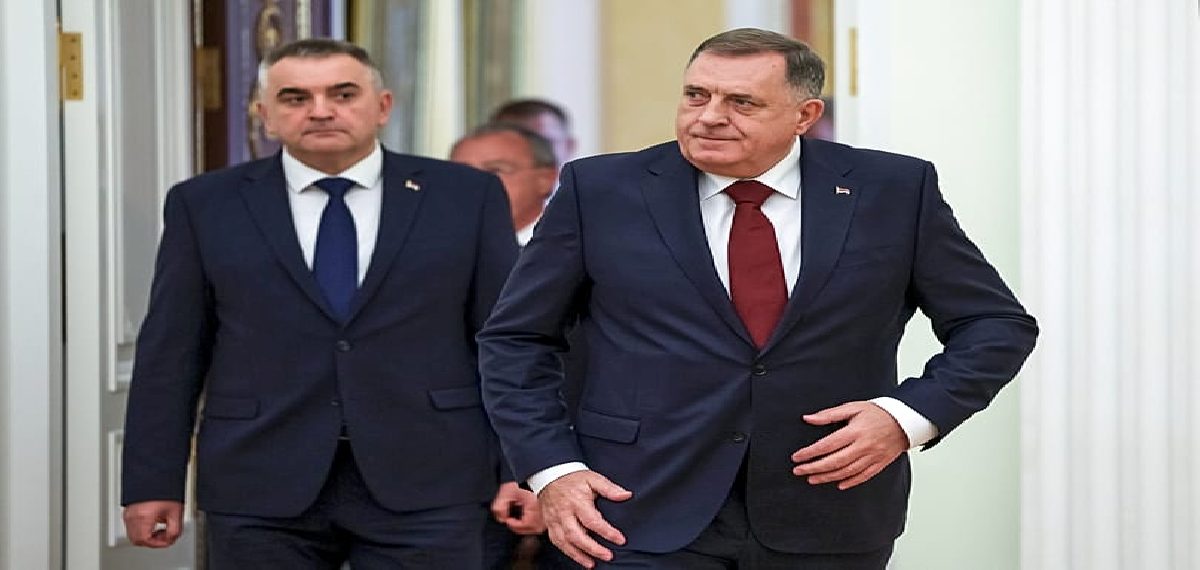
Although not on the ballot, Milorad Dodik loomed over the campaign as a dominant political figure. Dodik, the pro-Russian former president of Republika Srpska and leader of the Alliance of Independent Social Democrats, is banned from public office after being convicted of defying the international official overseeing the peace agreement. He remained highly visible in media and political events following a meeting in Moscow with Vladimir Putin and a final rally in Banja Luka attended by Russia’s ambassador Igor Khalabukov.
Ethnic tensions continue to shape the political landscape. Bosnian Serb leaders have pushed for greater autonomy or separation for Republika Srpska, raising concerns in the West about potential instability. Bosnia remains one of Europe’s poorest countries and continues to contend with the legacy of the 1992–95 war that killed more than 100,000 people and displaced millions.
The country is formally seeking European Union membership, but progress has stalled despite EU efforts to encourage reform. Major external actors remain influential; Russia has countered EU expansion efforts in the region and continued to support Republika Srpska, while a $1.5 billion pipeline project to import U.S. liquefied natural gas has been promoted by a corporation with ties to the Trump administration.
Recent public tributes to Ratko Mladic, who died in late August while serving a life sentence for genocide and other war crimes, reopened wartime wounds. Senior Bosnian Serb officials attended his funeral in Belgrade, provoking EU criticism and anger among Bosniak politicians, while Bosnian Serbs regard Mladic as a hero despite his UN court conviction for the Srebrenica killings.
The introduction of electronic voter identification and ballot scanning is intended to restore confidence after prior allegations of vote tampering, yet technical delays on voting day illustrate operational risks in rolling out new systems. The strong presence of ethnically organised parties and the prominence of Milorad Dodik despite his ban underscore how entrenched wartime divisions continue to shape political dynamics.
Socio-economic grievances such as low living standards and youth emigration underpin voter frustration and limit the appeal of nationalist rhetoric for those seeking practical change. External influences from Russia and actors promoting energy projects complicate Bosnia’s EU accession trajectory and may deepen internal political cleavages depending on electoral outcomes.