05 Temmuz 2026
açık


Veteran Mumbai theatre director Vijaya Mehta, former NCPA chair, dies aged 92; celebrated for pioneering Indian theatre and cultural leadership.
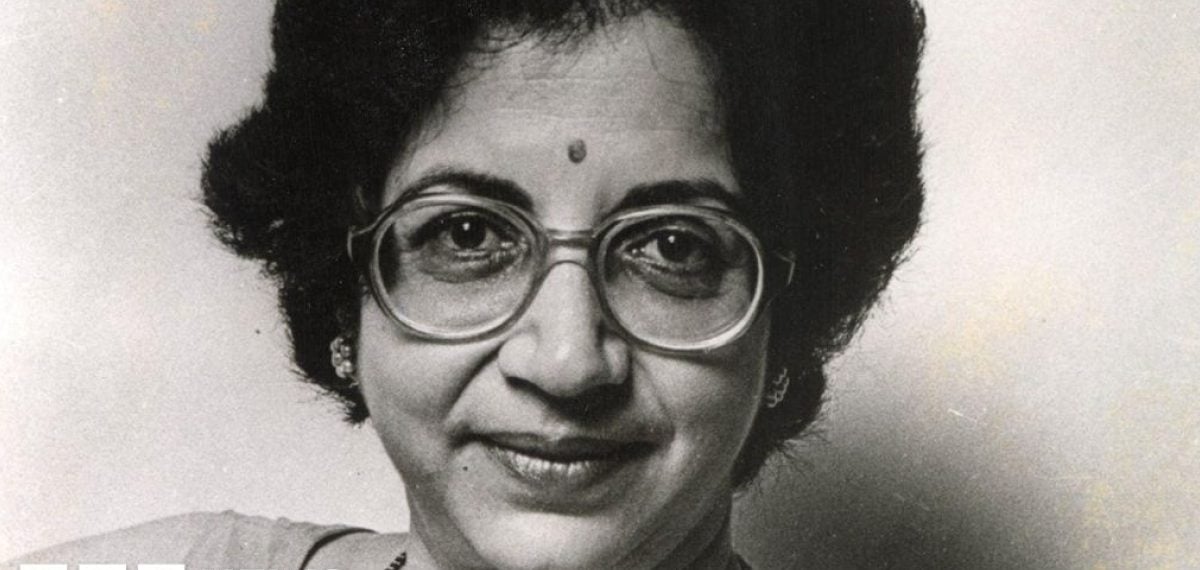
Vijaya Mehta, a pioneering figure in modern Marathi theatre and former chairperson of Mumbai’s National Centre for the Performing Arts (NCPA), has died aged 92, her supporters and contemporaries said this week; her work reshaped Marathi stage practices and mentored generations of actors.
Born in Vadodara in 1934, Mehta became known for directing experimental Marathi plays that brought ordinary lives to the stage, moving the regional theatre away from grand sets and melodrama, colleagues and public statements recalled.
Mehta co-founded the Mumbai experimental theatre group Rangayan in 1960, the year Maharashtra was formed, and through the group staged bold productions by writers such as Mahesh Elkunchwar and adaptations of international playwrights including Bertolt Brecht and Anton Chekhov.
Her collaborators praised Mehta’s disciplined rehearsal process and sensitivity to performance. Actor Anupam Kher said rehearsals for Rao Saheb reminded him of the depth of acting craft, while Elkunchwar described their work together as an exploration of theatre and life rather than a pursuit of fame or money.
Mehta also directed films, including Rao Saheb (1985) and Pestonjee (1988), which addressed social themes and personal relationships, and won national recognition and a Padma Shri for her contribution to the performing arts.
She chaired the NCPA for more than a decade and worked with international theatre figures such as Peter Brook, Eugenio Barba and Richard Schechner, expanding Mumbai’s engagement with global theatre practices, peers noted.
Public figures paid tribute to Mehta’s role in modernising Marathi theatre. Raj Thackeray highlighted her courage to innovate at a time when the newly formed Maharashtra was embracing social and educational change.
Members of the theatre community said Mehta’s legacy includes both the experimental repertoire she introduced to Marathi audiences and the actors she mentored, among them Swanand Kirkire and Sonali Kulkarni, who spoke of the lasting influence of her workshops and direction.
Mehta’s death leaves a notable absence in Indian theatre, where colleagues say her combination of rigorous craft, mentorship and commitment to everyday stories had a transformative effect.